How I Tamed My Blood Pressure Without Medication—One Move at a Time
High blood pressure crept up on me quietly—no warning, just a wake-up call at my yearly checkup. I wasn’t alone; millions face this silent challenge every day. But instead of rushing to pills, I asked: What if movement could be my medicine? This is the real story of how simple, science-backed exercises reshaped my health. It’s not a cure, but it’s powerful progress—and it might just change your approach too.
The Silent Alarm: Why Blood Pressure Matters More Than You Think
Blood pressure is the force of blood pushing against the walls of your arteries as your heart pumps. When this pressure stays too high over time, it’s called hypertension. Often, there are no obvious signs. That’s why it’s known as the “silent killer.” You might feel perfectly fine, even as your blood vessels and organs endure long-term stress. According to the World Health Organization, over 1.3 billion people worldwide live with high blood pressure, many without knowing it.
Uncontrolled hypertension increases the risk of heart disease, stroke, kidney damage, and vision loss. The heart must work harder to circulate blood, which can cause the muscle to thicken and weaken over time. Arteries lose elasticity, making them more prone to blockages. The brain, eyes, and kidneys—organs that rely on steady blood flow—can suffer subtle damage long before a crisis occurs. For many, the first symptom is a life-threatening event.
Some people experience fatigue, headaches, or occasional dizziness, but these signs are often dismissed as stress or aging. A busy mother might blame tiredness on her children. A working professional might attribute headaches to screen time. The danger lies in this normalization. Without regular monitoring, high blood pressure can progress unnoticed. Yet, the good news is that it’s highly responsive to lifestyle changes—especially physical activity.
Studies show that consistent, moderate exercise can reduce systolic blood pressure (the top number) by 5 to 8 mm Hg—comparable to some medications. The effects are even more significant when combined with a balanced diet and stress management. The body is remarkably adaptive. When you move regularly, your cardiovascular system becomes more efficient. Over time, this reduces the strain on your heart and blood vessels. The journey doesn’t require dramatic changes. It begins with awareness and a single step—literally.
Why Exercise? The Heart’s Best Ally in Blood Pressure Control
The heart is a muscle, and like any muscle, it becomes stronger with use. Regular physical activity trains the heart to pump blood more efficiently, meaning it doesn’t have to work as hard to deliver oxygen and nutrients throughout the body. This improved efficiency directly lowers the pressure inside the arteries. Exercise also helps keep blood vessels flexible and open, reducing resistance to blood flow—a key factor in maintaining healthy blood pressure levels.
When you engage in aerobic activity, such as walking or cycling, your muscles demand more oxygen. In response, your heart rate increases, and blood vessels dilate to accommodate the higher flow. Over time, this repeated dilation strengthens the endothelium—the inner lining of blood vessels—making them more responsive and less prone to stiffness. This process is supported by research from the American Heart Association, which confirms that consistent physical activity leads to measurable improvements in both systolic and diastolic blood pressure.
Another benefit of exercise is its role in managing body weight. Excess weight, especially around the abdomen, is closely linked to hypertension. Physical activity helps burn calories and build lean muscle, which in turn supports metabolic health. Even modest weight loss—just 5 to 10% of body weight—can lead to significant reductions in blood pressure. This makes exercise a dual-purpose tool: it strengthens the heart and helps maintain a healthy weight.
Despite the evidence, many people hesitate to start, believing they need intense workouts to see results. This is a common myth. High-intensity training isn’t required—and for some, it may even be unsafe without medical clearance. The truth is, moderate, consistent movement offers the greatest benefit for blood pressure control. A brisk 30-minute walk most days of the week can be just as effective as more strenuous routines. The key is sustainability. It’s not about pushing to exhaustion; it’s about showing up regularly with purpose.
My Go-To Routine: The 4-Part Exercise Plan That Actually Works
After my diagnosis, I knew I needed a plan that was realistic, balanced, and easy to maintain. I didn’t want something that felt like a punishment or required expensive equipment. What I developed over time was a four-part approach: aerobic exercise, strength training, flexibility work, and rest. This combination supports cardiovascular health, builds muscle, prevents injury, and allows the body to recover—creating a sustainable rhythm that fits into daily life.
Aerobic activity forms the foundation. I aim for at least 150 minutes of moderate-intensity exercise per week, spread across five days. My go-to is brisk walking, but I also enjoy cycling on weekends and dancing at home when I need a mood boost. Each session lasts about 30 minutes, and I keep the pace steady enough to talk but not sing. This ensures I’m working at the right intensity without overexerting myself.
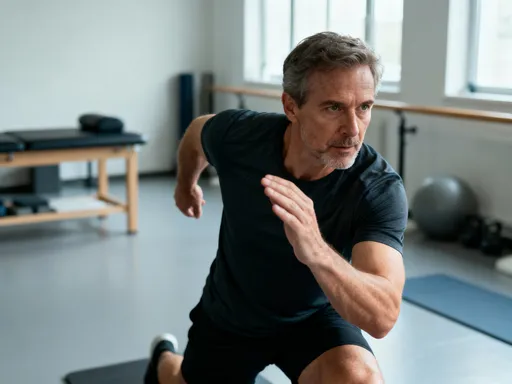
Strength training comes in twice a week, on non-consecutive days. I focus on bodyweight exercises that target major muscle groups: legs, core, back, and arms. These include chair squats, wall push-ups, and planks. I start with two sets of 10 to 12 repetitions and gradually increase as I gain strength. Resistance training improves muscle tone and boosts metabolism, both of which support long-term blood pressure management. It also enhances balance and stability, which becomes increasingly important with age.
Flexibility and breathing exercises are woven into my routine every day, especially in the morning and before bed. I spend 10 to 15 minutes stretching major muscle groups—hamstrings, shoulders, back—and practicing deep breathing. This not only reduces physical tension but also calms the nervous system. On weekends, I sometimes join a gentle yoga class, which combines stretching, balance, and mindfulness in one session. Recovery is equally important. I take one full rest day each week and listen to my body—if I feel unusually tired, I scale back instead of pushing through.
Walking Like a Pro: How a Simple Step Can Lower Your Numbers
If there’s one exercise I recommend above all others, it’s walking. It’s free, accessible, and requires no special skills or equipment. More importantly, it’s backed by decades of research as an effective way to lower blood pressure. A study published in the Journal of Exercise Rehabilitation found that regular walking reduced systolic pressure by an average of 4.2 mm Hg after just eight weeks. The best part? You don’t need to walk fast or far to see benefits.
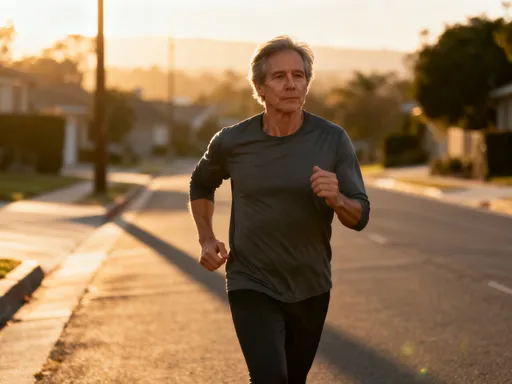
Proper walking technique makes a difference. I keep my posture upright, shoulders relaxed, and arms swinging naturally. My pace is brisk—about 3 to 4 miles per hour—but still comfortable enough to hold a conversation. This “talk test” is a simple way to gauge intensity. If I can speak in full sentences without gasping, I’m in the right zone. I aim for 30 minutes most days, but even 10-minute walks add up. The goal is consistency, not perfection.
Finding time is often the biggest challenge. I’ve learned to weave walking into my routine in small ways. I take a 15-minute walk during my lunch break, park farther from store entrances, and do short strolls after meals. My husband and I started a habit of walking together after dinner—no phones, just quiet conversation. These moments have become a cherished part of our day. I also use a simple pedometer to track my steps. While I don’t obsess over numbers, seeing my progress—like reaching 7,000 or 8,000 steps—keeps me motivated.
Walking outdoors offers additional benefits. Exposure to nature has been linked to reduced stress and improved mood—both of which support heart health. I choose safe, well-lit paths and vary my routes to keep things interesting. On rainy days, I walk indoors at a mall or set up a walking routine in my living room. The key is to keep moving, no matter the weather. Over time, walking became less of a chore and more of a ritual—a daily act of care for my body and mind.
Strength Training Without the Gym: Bodyweight Moves That Help
Many people avoid strength training out of fear that lifting weights will spike their blood pressure. While it’s true that heavy lifting can cause a temporary increase during the effort, moderate resistance training—especially with proper form and breathing—is safe and beneficial for most individuals with hypertension. The American College of Cardiology emphasizes that regular strength training improves vascular function and supports long-term blood pressure control when done correctly.
I started with simple bodyweight exercises that required no equipment and could be done at home. Wall push-ups were my first step. Instead of lowering myself to the floor, I stand facing a wall, place my hands on it at shoulder height, and perform controlled presses. This builds upper body strength without straining my joints. Chair squats are another favorite. I stand in front of a sturdy chair, lower myself slowly until I lightly touch the seat, then rise back up. This strengthens my legs and improves balance.
Plank holds have transformed my core strength. I begin by holding the position for 15 to 20 seconds, resting, and repeating. Over time, I’ve built up to holding a plank for 60 seconds. I keep my body in a straight line, engage my abdominal muscles, and breathe steadily. These exercises don’t require a lot of time—just 15 to 20 minutes, two to three times a week. I schedule them on non-consecutive days to allow my muscles to recover.
Breathing technique is crucial. I exhale during the effort—when pushing up, rising from a squat, or holding a plank—and inhale during the easier phase. This prevents me from holding my breath, which can cause a sudden rise in pressure. I also avoid straining or jerking movements. The focus is on control and form, not speed or reps. With time, I’ve noticed improvements not just in my strength, but in my energy levels and posture. Strength training has become a quiet act of empowerment—a way to feel capable and resilient in everyday life.
Flexibility & Calm: How Stretching and Breathing Support Vascular Health
Stress is a silent contributor to high blood pressure. When you’re under constant pressure—whether from work, family, or daily demands—your body releases stress hormones like cortisol and adrenaline. These chemicals cause your heart to beat faster and your blood vessels to constrict, leading to elevated blood pressure. While you can’t eliminate stress entirely, you can change how your body responds to it. That’s where flexibility and breathing exercises come in.
Gentle stretching helps release muscle tension, especially in the neck, shoulders, and back—areas where stress often settles. When muscles are tight, they can restrict blood flow and contribute to discomfort. Regular stretching improves circulation and range of motion, making daily movements easier and more comfortable. I start each morning with a 5- to 10-minute routine: forward bends for my hamstrings, shoulder rolls, and side stretches. Before bed, I focus on relaxing poses like seated spinal twists and gentle neck stretches.
Diaphragmatic breathing—also known as belly breathing—is one of the most powerful tools I’ve discovered. I sit or lie down comfortably, place one hand on my chest and the other on my abdomen, and inhale slowly through my nose, letting my belly rise. I exhale slowly through pursed lips, feeling my abdomen fall. I repeat this for 5 to 10 minutes. This type of breathing activates the parasympathetic nervous system, which signals the body to relax. Research shows that regular practice can reduce systolic blood pressure by several points over time.
I’ve created a simple wind-down routine I do every night. I dim the lights, sit in a quiet corner, and spend five minutes stretching followed by five minutes of deep breathing. Sometimes I add soft music or a calming scent like lavender. This ritual helps me transition from the busyness of the day to a state of calm. It’s not just about lowering numbers on a monitor—it’s about cultivating a sense of inner balance. Over time, I’ve noticed that I react more calmly to stressful situations. My resting heart rate has dropped, and my blood pressure readings are more stable.
Staying on Track: Real Habits for Lasting Change (Not Perfection)
Consistency is the true foundation of progress. There have been days when I’ve skipped my walk because of bad weather, felt too tired to stretch, or traveled and disrupted my routine. That’s normal. The goal isn’t perfection—it’s persistence. What matters most is returning to the habit, without guilt or self-criticism. I’ve learned to practice self-compassion, recognizing that health is a journey, not a destination.
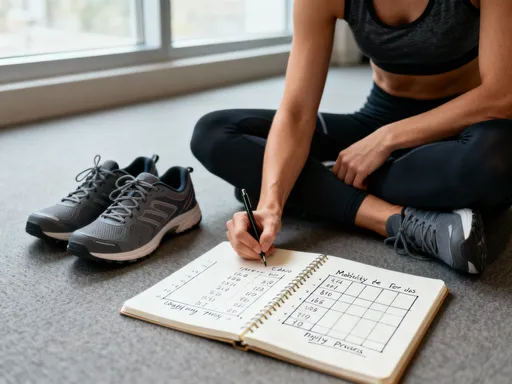
One strategy that’s helped me is habit stacking—linking a new behavior to an existing one. For example, I stretch for five minutes right after brushing my teeth in the morning. Because brushing is already automatic, it serves as a trigger for the new habit. I also use accountability in small ways. I keep a simple journal where I note my daily activity—just a checkmark for each walk or strength session. Seeing the chain of checkmarks builds motivation. On days when I can’t do my full routine, I do something—like a 10-minute stretch or a short walk around the block. Something is always better than nothing.
Travel used to derail my routine, but now I plan ahead. I pack resistance bands, look up walking trails at my destination, and do bodyweight exercises in my hotel room. I remind myself that movement is more important than location. I also stay connected to my purpose—why I started this journey in the first place. When I see my blood pressure readings improve, or when I feel more energetic, it reinforces my commitment.
Before starting any new exercise program, I encourage you to consult your healthcare provider, especially if you have existing health conditions. They can help you determine a safe and effective plan tailored to your needs. Exercise is not a replacement for medical treatment, but it is a powerful complement. With guidance and awareness, it can become a sustainable part of your wellness routine.
Conclusion
Managing blood pressure isn’t about drastic overhauls or quick fixes—it’s about showing up daily with small, smart choices. Exercise isn’t a replacement for medical care, but it’s a powerful partner in wellness. By moving more, breathing deeper, and staying consistent, you’re not just lowering numbers on a screen—you’re investing in a stronger, more vibrant life. Start where you are. Your heart will thank you.