Why Women’s Health Isn’t One-Size-Fits-All—And What Actually Works
Women’s health isn’t just about yearly checkups or quick fixes—it’s about understanding your body’s unique needs. For years, I followed generic advice, only to feel more confused. Then I learned: real wellness starts with personalized standards—sleep, nutrition, stress, and movement. This isn’t a miracle cure, but a practical shift. Here’s what changed for me, and how you can start small, think smarter, and build lasting habits that truly fit your life. The journey to well-being isn’t about fitting into someone else’s definition of health. It’s about tuning in, making informed choices, and honoring the rhythms of your own body through every stage of life.
The Myth of Universal Health Standards
For decades, women have been told there is a single path to health: eat less, move more, sleep eight hours, and track your weight. Magazines, social media, and even some wellness programs promote the same checklist for everyone—calorie goals, workout routines, detox plans—regardless of age, lifestyle, or biology. But this standardized approach overlooks a fundamental truth: no two women’s bodies are the same. What works for a 25-year-old athlete may leave a 45-year-old mother of three exhausted and frustrated. The idea that one health model fits all is not only misleading—it can be counterproductive.
Hormonal fluctuations alone make women’s health uniquely dynamic. Menstrual cycles, perimenopause, and postmenopausal changes affect energy levels, appetite, metabolism, and emotional well-being. A woman in her reproductive years may thrive on a certain eating pattern during the follicular phase, only to feel drained by the same routine during the luteal phase. Stress, sleep quality, and life responsibilities further shape how the body responds to diet and exercise. Ignoring these variables leads to confusion, burnout, and a sense of failure—even when efforts are consistent.
Metabolism, gut health, and genetic predispositions also vary widely. Some women process carbohydrates efficiently, while others feel sluggish after eating them. Some require more protein to maintain muscle mass, especially as they age. Yet most mainstream health advice treats food and fitness as if they operate in a vacuum. This oversimplification can result in yo-yo dieting, chronic fatigue, and a strained relationship with one’s body. Recognizing individual differences is the first step toward sustainable wellness.
The shift begins with letting go of comparison. Instead of asking, “What is everyone else doing?” it’s more empowering to ask, “What does my body need right now?” This mindset opens the door to personalized health—a flexible, responsive approach that adapts to life’s changes. It’s not about perfection, but awareness. When women stop forcing themselves into rigid molds, they often find that small, thoughtful adjustments yield better results than drastic overhauls ever did.
What Are Real Health Standards—And Why They Matter
If not the scale, then what should women measure? True health goes far beyond weight or clothing size. It’s reflected in how you feel day to day—your energy levels, mood stability, sleep quality, digestion, and menstrual regularity. These are the real indicators of well-being, backed by medical research and clinical observation. When a woman consistently wakes up feeling rested, maintains focus throughout the day, and experiences balanced emotions, she is likely on the right track—even if the number on the scale hasn’t changed.
Energy is one of the most reliable markers. Chronic fatigue, even with adequate sleep, can signal imbalances in blood sugar, thyroid function, or iron levels. Women, especially those in midlife, are at higher risk for iron deficiency and hypothyroidism, both of which can sap vitality. Tracking energy patterns—such as when you feel alert or sluggish—can help identify dietary or lifestyle triggers. For example, a mid-afternoon crash might point to insufficient protein at lunch or poor sleep the night before.
Emotional balance is another key standard. Hormonal shifts influence mood, but persistent irritability, anxiety, or low motivation may indicate deeper issues, such as chronic stress or nutrient deficiencies. Cortisol, the stress hormone, can disrupt sleep, increase belly fat, and interfere with reproductive hormones when elevated over time. Monitoring emotional well-being—through journaling or simple self-check-ins—can reveal patterns and prompt timely adjustments.
Sleep quality matters just as much as duration. Waking up refreshed, falling asleep within 20–30 minutes, and staying asleep through the night are signs of healthy sleep architecture. Poor sleep affects insulin sensitivity, increases cravings, and weakens immunity. Menopausal women, in particular, may struggle with night sweats or insomnia due to hormonal changes, making sleep hygiene a critical component of health.
Menstrual regularity, when applicable, offers valuable insight. Cycles that are consistently 21–35 days long, with manageable symptoms, suggest hormonal balance. Irregular periods, heavy bleeding, or severe PMS may signal underlying conditions like polycystic ovary syndrome (PCOS) or estrogen dominance. While not every woman tracks her cycle, paying attention to these patterns can guide conversations with healthcare providers and inform personal choices.
By focusing on these measurable, functional markers, women shift from chasing appearance to supporting function. This approach fosters self-trust and reduces the anxiety that comes from rigid rules. It’s not about achieving a flawless routine but building resilience—the ability to adapt and recover from life’s demands. When health is defined by how you feel, not how you look, the journey becomes more meaningful and sustainable.
Common Beginner Mistakes (And How to Avoid Them)
Many women begin their wellness journey with enthusiasm, only to lose momentum within weeks. The reason often lies in common but avoidable mistakes. One of the most frequent is setting unrealistic expectations. Jumping into a strict diet or intense workout plan without considering daily responsibilities can lead to burnout. The idea that change must happen quickly is misleading. Sustainable health is built gradually, through small, consistent choices—not overnight transformations.
Another common error is extreme restriction. Some women eliminate entire food groups in the name of “clean eating,” only to feel deprived and eventually binge. Cutting out carbs, for example, may work short-term for some, but it can backfire by lowering serotonin levels and increasing cravings. The brain needs glucose to function, and women, especially those with active lifestyles, benefit from balanced meals that include complex carbohydrates, protein, and healthy fats. Deprivation often leads to rebound eating, guilt, and a damaged relationship with food.
Over-exercising is another pitfall. While movement is essential, pushing the body too hard without adequate recovery can increase cortisol, disrupt sleep, and impair immune function. High-intensity workouts every day may seem productive, but they can lead to fatigue, joint pain, and hormonal imbalances—especially in women over 40. The goal should be consistency, not intensity. A 20-minute walk most days is more beneficial in the long run than an exhausting hour-long session once a week.
Behavioral science shows that habit formation works best when it’s incremental. The “tiny habits” approach—making small, manageable changes—has proven effective in long-term adherence. Instead of overhauling your entire diet, start with one improvement: drinking a glass of water before breakfast, adding vegetables to one meal, or eating mindfully without distractions. These micro-shifts build confidence and create a foundation for larger changes over time.
Self-compassion is also crucial. Women often judge themselves harshly for slip-ups, but setbacks are part of the process. Research shows that self-criticism reduces motivation, while self-kindness increases resilience. When a meal doesn’t go as planned, the healthiest response is not punishment, but curiosity. Ask, “What triggered this? How can I support myself tomorrow?” This gentle, reflective approach fosters lasting change.
Sleep: The Silent Game-Changer
Sleep is often the most overlooked pillar of health, yet it influences nearly every bodily function. Poor sleep disrupts cortisol, insulin, and reproductive hormones, leading to weight gain, mood swings, and fatigue. Women are particularly vulnerable to sleep disturbances due to hormonal changes across the lifespan. During menstruation, progesterone can cause drowsiness, while PMS may bring insomnia. In perimenopause, fluctuating estrogen and declining progesterone contribute to night sweats and fragmented sleep.
The effects of poor sleep extend beyond tiredness. Even one night of disrupted rest can impair glucose metabolism, increasing insulin resistance—a risk factor for type 2 diabetes. Sleep loss also elevates ghrelin, the hunger hormone, while suppressing leptin, which signals fullness. This hormonal shift drives cravings for sugary, high-carb foods, making weight management more difficult. Over time, chronic sleep deprivation is linked to higher risks of cardiovascular disease, depression, and cognitive decline.
Improving sleep doesn’t require drastic changes. Simple, consistent habits can make a significant difference. Establishing a regular bedtime and wake time—even on weekends—helps regulate the body’s internal clock. Creating a wind-down routine signals the brain that it’s time to rest. This might include dimming lights, reading a book, or practicing gentle stretching. Avoiding screens at least 30–60 minutes before bed reduces blue light exposure, which suppresses melatonin, the sleep hormone.
Managing the sleep environment is equally important. A cool, quiet, and dark room supports deeper sleep. Some women find relief from night sweats by using breathable bedding or adjusting room temperature. Limiting caffeine after noon and avoiding large meals close to bedtime can also improve sleep quality. Herbal teas like chamomile or magnesium supplements, when approved by a healthcare provider, may support relaxation.
The goal is not perfection but progress. A woman who improves her sleep by 30–60 minutes per night often notices better focus, reduced irritability, and more stable energy. These benefits create a positive feedback loop—better sleep leads to better choices, which in turn support better sleep. Prioritizing rest is not a luxury; it’s a foundation for lasting health.
Nutrition That Fits Your Life—Not a Trend
Fad diets come and go, but sustainable nutrition is about consistency, not extremes. Women don’t need another restrictive plan—they need a flexible, nourishing approach that fits real life. This means focusing on whole foods, balanced meals, and mindful eating rather than chasing the latest superfood or juice cleanse. The goal is not to eliminate foods but to build a relationship with eating that supports energy, digestion, and emotional well-being.
Protein is a cornerstone of women’s nutrition. It supports muscle maintenance, especially as we age, and helps stabilize blood sugar. Including a source of protein—such as eggs, Greek yogurt, beans, or lean meat—at each meal can reduce cravings and sustain energy. Fiber is equally important. Found in vegetables, fruits, legumes, and whole grains, fiber supports gut health, regulates digestion, and feeds beneficial bacteria. A healthy gut is linked to improved immunity, mood, and hormonal balance.
Hydration often goes unnoticed but plays a vital role. Even mild dehydration can cause fatigue, headaches, and poor concentration. Many women don’t drink enough water, especially if they rely on coffee or sugary beverages. Replacing one daily soda or energy drink with water can have immediate benefits. Carrying a reusable bottle and setting reminders can help build this habit gradually.
Mindful eating—paying attention to hunger and fullness cues—encourages a healthier relationship with food. Eating slowly, without distractions, allows the brain to register satisfaction and prevents overeating. It also enhances the enjoyment of meals, turning eating into a nourishing ritual rather than a rushed task. This approach is especially helpful for women who eat on the go or while multitasking.
Flexibility is key. Depriving yourself of favorite foods often leads to bingeing. Instead, the 80/20 rule—eating nourishing foods 80% of the time and allowing room for enjoyment 20% of the time—promotes balance without guilt. A piece of dark chocolate, a slice of birthday cake, or a meal out with family can be part of a healthy lifestyle when enjoyed in context.
Over time, these small choices add up. Women who prioritize balanced nutrition often report clearer skin, better digestion, and more stable moods. They’re less likely to experience energy crashes and more likely to maintain a healthy weight naturally. Nutrition isn’t about perfection—it’s about showing up for your body, day after day, with kindness and care.
Movement That Feels Good—Not Punishing
Exercise should not be a punishment for what you ate or a chore to burn calories. For many women, the idea of working out brings stress, not joy. But movement, when approached with the right mindset, can be a source of strength, energy, and pleasure. The goal is not to endure pain but to support your body’s natural functions—circulation, muscle tone, joint health, and mood regulation.
Low-impact activities are often the most sustainable. Walking, for example, is accessible, free, and highly effective. Just 20–30 minutes a day can improve cardiovascular health, reduce stress, and regulate insulin levels. Adding a daily walk after dinner not only aids digestion but also provides a peaceful transition from work to home life. Stretching and yoga enhance flexibility, reduce tension, and support pelvic floor health—important for women at all life stages.
Strength training is another powerful tool. Contrary to myths, lifting weights does not make women bulky. Instead, it builds lean muscle, which boosts metabolism and supports bone density—a critical factor in preventing osteoporosis later in life. Bodyweight exercises, resistance bands, or light dumbbells can be used at home or in a gym. Two to three sessions per week, even for 15–20 minutes, can make a noticeable difference in strength and posture.
The key is consistency, not intensity. A woman who walks daily and does gentle strength work will likely see better long-term results than someone who does intense workouts sporadically. Movement should fit into life, not dominate it. Dancing while cooking, gardening, or playing with grandchildren all count as physical activity. When exercise feels natural and enjoyable, it becomes a habit, not a burden.
Tracking progress can also shift the focus from appearance to function. Instead of measuring waist size, notice if you can carry groceries more easily, climb stairs without getting winded, or feel less joint stiffness. These functional improvements reflect real health gains and are more motivating than numbers on a scale.
Putting It All Together: A Simple, Sustainable Routine
Building a personal health plan doesn’t require extreme diets, expensive supplements, or hours at the gym. It’s about integrating small, consistent habits that support your unique needs. Start by choosing one area to focus on—sleep, nutrition, or movement—and build from there. For example, begin with a 10-minute evening walk and a glass of water with each meal. After two weeks, add a bedtime routine or a serving of vegetables to lunch.
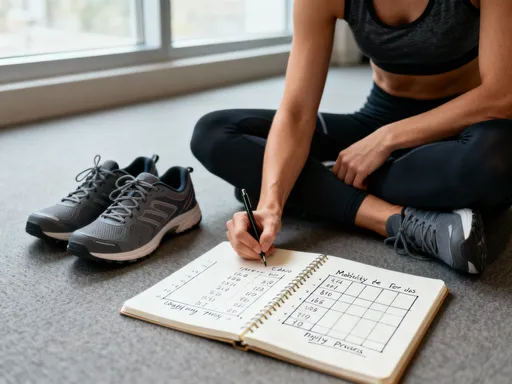
A realistic weekly framework might include: five days of 20–30 minutes of movement (walking, stretching, or strength training), three servings of protein daily, seven servings of vegetables, and a consistent bedtime. Allow flexibility—weekends may look different, and that’s okay. The goal is progress, not perfection. Use a simple journal or app to track how you feel: energy levels, sleep quality, digestion, and mood. Over time, patterns will emerge, guiding your next steps.
Adjust based on your body’s feedback. If you feel tired, prioritize rest. If digestion is sluggish, increase fiber and water. If stress is high, incorporate mindfulness or deep breathing. Health is not static—it evolves with your life. The most effective routine is one that adapts to your current reality, not one that forces you into an idealized version of yourself.
Small choices compound. Drinking more water, sleeping 30 minutes longer, or eating a balanced breakfast may seem minor, but over weeks and months, they create lasting change. Women who adopt this mindset often find that they don’t need drastic measures to feel better. They regain energy, improve focus, and build confidence—not from fitting into a smaller size, but from feeling strong, capable, and in tune with their bodies.
Women’s health isn’t about chasing ideals—it’s about listening, adapting, and creating standards that support your real life. Small, consistent choices add up. By focusing on what truly matters—energy, balance, and resilience—you can build a healthier future, one thoughtful step at a time. Always consult a healthcare provider to personalize your path safely.