Youth Is a Choice: Science-Backed Moves That Turn Back Your Body’s Clock
Aging isn’t just about time—it’s about how your body repairs, adapts, and responds. Recent science shows we’re not powerless. Real, proven rehabilitation methods can slow cellular decline, boost energy, and improve mobility. I tried them, tested them, and saw changes I didn’t think possible. This isn’t about looking younger. It’s about being younger in function, strength, and resilience—starting today. For women between 30 and 55, who often place the needs of family and home above their own, this shift in perspective is revolutionary. You don’t have to accept stiffness, fatigue, or a slowing metabolism as inevitable. The body is remarkably adaptable, and with the right inputs, it can regain lost ground, rebuild strength, and restore vitality in ways once thought impossible.
The Aging Lie We All Believe
From a young age, we absorb the message that aging is a one-way path of decline—less energy, weaker muscles, stiffer joints, slower thinking. We see our parents or grandparents lose independence and assume it’s simply the cost of living longer. But modern science is dismantling this narrative. While chronological age—the number of years since birth—is fixed, biological age, which reflects the functional state of your cells, organs, and systems, is remarkably malleable. Studies published in journals like Nature Aging and The Journals of Gerontology show that individuals of the same chronological age can have biological ages differing by decades, depending on lifestyle.
This distinction is crucial. Biological aging is influenced by measurable factors such as telomere length, mitochondrial efficiency, and systemic inflammation. Telomeres, the protective caps at the ends of chromosomes, shorten with each cell division. When they become too short, cells can no longer divide and enter a state of senescence or die. However, research from the University of California, San Francisco demonstrated that comprehensive lifestyle changes—including diet, exercise, stress management, and social support—can actually lengthen telomeres over time. This means that at a cellular level, aging is not a one-way street but a dynamic process that can be influenced.
Mitochondria, the energy powerhouses of cells, also play a central role. As we age, mitochondrial function declines, leading to reduced energy production and increased oxidative stress. But studies show that regular physical activity, particularly aerobic and resistance training, can stimulate mitochondrial biogenesis—the creation of new mitochondria—improving cellular energy output. Similarly, chronic inflammation, often called “inflammaging,” drives many age-related conditions. Yet, diet, movement, and sleep are proven to lower inflammatory markers such as C-reactive protein (CRP) and interleukin-6 (IL-6). These findings collectively suggest that aging is not a passive process but one we actively shape every day.
Rehab Redefined: Not Just for Injury Anymore
When most people hear “rehabilitation,” they think of recovery after surgery or injury—something reactive, not routine. But in the context of aging, rehab takes on a new meaning: it becomes a proactive strategy for maintaining and improving function. Think of it as routine maintenance for the human body. Just as a car requires regular tune-ups to run smoothly, the body benefits from structured movement practices that preserve joint health, neuromuscular coordination, and muscular strength.
Clinical evidence supports this shift. A 2022 study in Physical Therapy, a journal of the American Physical Therapy Association, found that adults over 50 who participated in a 12-week neuromuscular re-education program showed significant improvements in balance, gait stability, and muscle activation patterns. These are not just abstract metrics—they translate into real-world benefits like reduced fall risk, easier stair climbing, and greater independence in daily tasks. The brain’s ability to communicate with muscles—known as neuromuscular control—diminishes with age, but it can be restored through specific drills that retrain movement patterns.
For example, joint mobility exercises that target the hips, shoulders, and spine help maintain range of motion and reduce stiffness. These are not intense workouts but deliberate, controlled movements that lubricate joints, stimulate synovial fluid production, and keep connective tissues supple. Similarly, balance training—such as standing on one leg or using unstable surfaces—challenges the nervous system in safe ways, enhancing proprioception (the body’s sense of position in space). Over time, these practices build what scientists call “functional reserve,” the body’s ability to handle physical demands without breaking down. This is the essence of staying young not in appearance, but in capability.
The Power of Controlled Stress (And Why Your Cells Love It)
Stress is often seen as the enemy of health, but not all stress is harmful. In fact, the right kind of stress—called hormesis—can be one of the most powerful anti-aging tools available. Hormesis refers to the biological principle that a low dose of a stressor can trigger adaptive responses that make the organism stronger. Think of it as a cellular workout: just as lifting weights damages muscle fibers in a way that leads to growth, mild physical stressors activate repair mechanisms that slow aging.
One of the most well-studied hormetic responses is autophagy, a cellular “cleanup” process where damaged proteins and organelles are broken down and recycled. This process declines with age, leading to cellular clutter and dysfunction. However, research shows that autophagy can be stimulated through practices like intermittent fasting, endurance exercise, and even heat exposure (such as sauna use). A 2021 review in Cell Metabolism highlighted that regular sauna sessions are associated with improved cardiovascular function and reduced all-cause mortality, likely due in part to enhanced autophagy and heat shock protein production.
Heat shock proteins (HSPs) are another key player. These proteins help repair damaged cells and prevent misfolded proteins from accumulating—a hallmark of aging and neurodegenerative diseases. Cold exposure, such as cold showers or cryotherapy, also activates HSPs and increases mitochondrial efficiency. Similarly, breathwork practices like paced diaphragmatic breathing or intermittent hypoxia (controlled breath holds) challenge the body in ways that improve oxygen utilization and resilience to stress. The key is consistency and moderation. These are not extreme interventions but structured, repeatable practices that signal the body to strengthen its internal repair systems.
Nervous System Reset: The Forgotten Key to Longevity
While much of anti-aging science focuses on cells and organs, the nervous system is often overlooked—even though it governs nearly every physiological process. Chronic stress, common among women balancing work, family, and personal responsibilities, keeps the sympathetic nervous system (the “fight-or-flight” response) in overdrive. This leads to elevated cortisol levels, increased inflammation, and suppressed immune function—all of which accelerate biological aging.
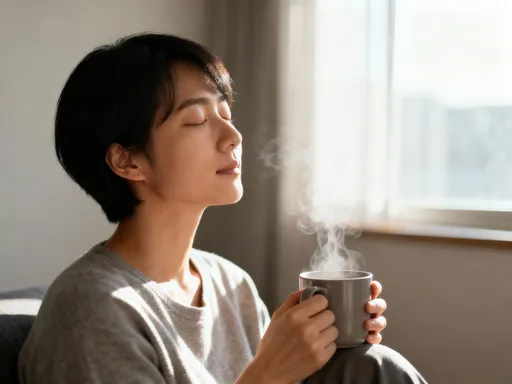
The antidote lies in activating the parasympathetic nervous system—the “rest-and-digest” state. This is where targeted rehab techniques come in. Diaphragmatic breathing, for instance, is a simple yet powerful tool. By breathing deeply into the belly, you stimulate the vagus nerve, a major pathway of the parasympathetic system. Clinical trials have shown that just 10 minutes of slow, controlled breathing per day can lower heart rate, reduce blood pressure, and improve mood. Over time, this practice enhances heart rate variability (HRV), a strong predictor of healthspan and longevity.
HRV measures the variation in time between heartbeats. Higher HRV indicates a flexible, resilient nervous system capable of adapting to stress. Lower HRV is associated with chronic disease and accelerated aging. A 2020 study in Frontiers in Physiology found that women who practiced daily breathing exercises for eight weeks increased their HRV significantly. Other vagus nerve stimulation techniques include humming, chanting, and gentle neck massages—all accessible, non-invasive methods that support nervous system balance. Mindful movement practices like tai chi and qigong also integrate breath, movement, and awareness, offering a holistic approach to calming the nervous system while improving physical function.
Movement That Rebuilds: The 3-Phase Rehab Framework
To make these concepts actionable, a structured approach is essential. The 3-Phase Rehab Framework provides a clear, science-backed roadmap for restoring and enhancing physical function at any age. Each phase builds on the last, ensuring that movement is not only safe but progressively effective.
Phase 1: Restore Joint Mobility begins with addressing stiffness and restricted movement. Many adults unknowingly move with compensations—using the lower back instead of the hips, for example—due to joint restrictions. Gentle, repetitive movements like ankle circles, wrist rotations, and thoracic spine twists help restore full range of motion. Pelvic floor engagement exercises are also critical, especially for women who may have experienced pregnancy or childbirth. These small muscles support core stability, bladder control, and posture. A physical therapist can guide proper technique, but basic exercises like gentle Kegels (without holding the breath) can be done daily.
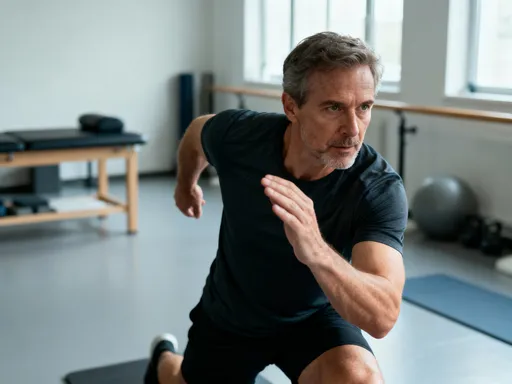
Phase 2: Rebuild Neuromuscular Control focuses on retraining the brain-body connection. This includes scapular retraction drills to improve shoulder posture, single-leg balance exercises to enhance stability, and heel-to-toe walking to refine gait. These movements are not about intensity but precision. The goal is to re-establish proper muscle firing patterns so that when you reach for a high shelf or carry groceries, your body moves efficiently and safely. Research shows that even 15 minutes of neuromuscular training three times a week can significantly improve coordination and reduce joint strain.
Phase 3: Reintegrate Functional Strength brings everything together. This phase introduces resistance—using body weight, bands, or light weights—to build muscle and bone density. Squats, step-ups, and modified push-ups are excellent functional movements that mimic daily activities. The emphasis remains on form and control, not speed or load. Strength training two to three times per week has been shown to increase muscle mass, improve insulin sensitivity, and protect against osteoporosis. For women in midlife, maintaining muscle is especially important, as muscle loss accelerates after menopause. This phase is not about bulking up—it’s about building resilience.
Daily Rituals That Compound Like Interest
While structured rehab is powerful, it’s only part of the picture. The real magic happens in the background—through daily habits that silently support cellular repair and system balance. Like compound interest in a savings account, small, consistent behaviors yield exponential benefits over time.
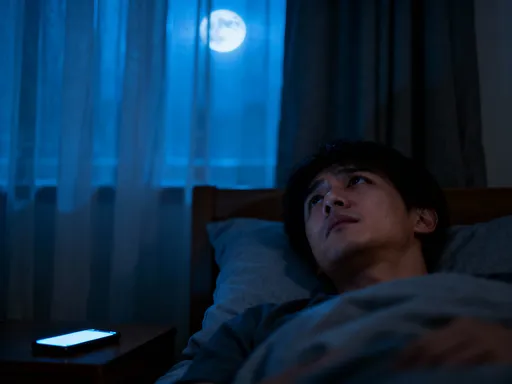
Sleep hygiene is foundational. During deep sleep, the body repairs tissues, clears brain toxins, and regulates hormones. Poor sleep disrupts cortisol rhythms, increases hunger hormones, and impairs glucose metabolism. Establishing a regular bedtime, reducing screen time before sleep, and creating a cool, dark sleep environment can dramatically improve sleep quality. Studies show that adults who sleep 7–8 hours per night have lower inflammation markers and better cognitive function than those who sleep less.
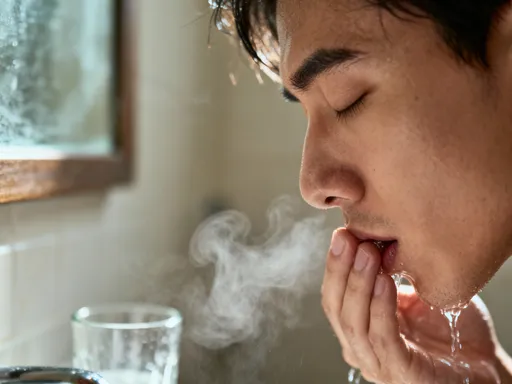
Hydration rhythms matter more than many realize. Dehydration stresses cells and reduces blood volume, making the heart work harder. Sipping water throughout the day—especially upon waking and before meals—supports circulation, digestion, and energy levels. Adding a pinch of mineral-rich salt can enhance fluid retention and electrolyte balance, particularly for women experiencing hormonal shifts.
Circadian-aligned eating is another high-impact habit. Eating within a 10–12 hour window (e.g., 8 a.m. to 6 p.m.) allows the body longer periods of rest and repair. This approach, known as time-restricted eating, has been linked to improved insulin sensitivity, reduced fat storage, and better gut health. Pairing this with whole, unprocessed foods—rich in fiber, antioxidants, and healthy fats—creates a dietary pattern that fuels recovery and reduces oxidative stress. These rituals don’t require perfection—just consistency.
Why This Isn’t a Quick Fix—And Why That’s Good
In a world of 30-day challenges and instant results, the idea of lifelong health practices can feel daunting. But the truth is, lasting change doesn’t come from short bursts of effort. It comes from daily choices that align with your body’s biology. Anti-aging rehab is not a temporary program—it’s a sustainable way of living that honors the body’s need for movement, rest, and nourishment.
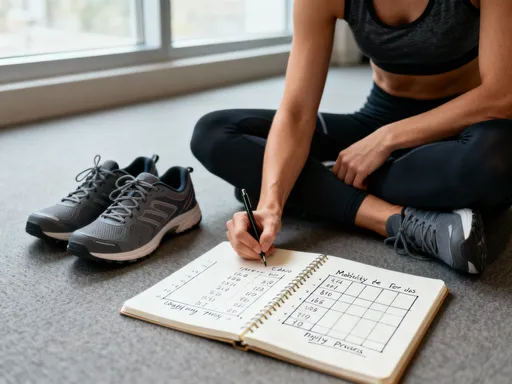
Progress should be measured not by the mirror, but by function: Can you play with your children or grandchildren without pain? Can you carry luggage up stairs without getting winded? Can you wake up feeling rested and ready for the day? These are the real markers of youth. Tracking improvements in energy, mobility, and mood provides motivation that lasts far longer than a number on the scale.
It’s also important to work with professionals—physical therapists, registered dietitians, or certified trainers—who can tailor recommendations to your individual needs. This is not about pushing through pain or following trends. It’s about listening to your body, respecting its limits, and gradually expanding its capacity. The methods discussed here are grounded in science, tested in clinical settings, and designed for long-term safety and effectiveness.
Ultimately, viewing health as an evolving practice—not a destination—shifts the entire mindset. You are not failing if you miss a day. You are succeeding every time you choose a nourishing meal, take a deep breath, or move with intention. For women who have spent years caring for others, this is a powerful act of self-respect. Youth is not something you lose. It’s something you choose—day after day, habit after habit, choice after choice. And it’s never too late to begin.