Beyond the Waterfall: Where Art Flows as Wild as the Falls
You know that heart-racing moment when you first hear the roar of Iguazu Falls before even seeing it? It’s epic. But what most travelers miss is how the magic extends beyond nature—into vibrant art spaces hidden in plain sight. I didn’t expect to find galleries pulsing with local soul or murals dancing alongside jungle trails. This isn’t just a nature trip; it’s a creative awakening. Let me show you how art elevates the entire experience.
The Unexpected Art Pulse Behind the Falls
Iguazu is more than one of the world’s most powerful waterfalls—it’s a cultural crossroads. Nestled at the convergence of Brazil, Argentina, and Paraguay, this lush tri-border region pulses with creative energy shaped by Indigenous traditions, Latin vibrancy, and quiet global influences. While millions arrive each year to witness the thunderous curtain of water cascading over 275 individual falls, few realize that an equally powerful current flows just beneath the surface: the region’s deep-rooted artistic spirit. This creativity isn’t staged for tourists; it emerges organically from the land, the rivers, and the people who have lived here for generations.
The art found near Iguazu is not separate from nature—it is a response to it. Local artists draw inspiration from the rhythm of rainfall, the flight of toucans, the curve of river stones, and the ancestral stories passed down through Guarani and other Indigenous communities. Hand-carved yerba mate gourds are etched with symbols of water spirits. Wooden masks used in traditional ceremonies reflect the duality of forest and sky. Contemporary painters capture the ever-changing light on the falls at dawn, using layered blues and greens that seem to shimmer with mist. Even the textiles woven by local artisans echo the patterns of jungle vines and water ripples.
What makes this art scene so compelling is its authenticity. Unlike commercial souvenir markets that flood tourist zones with mass-produced trinkets, the creative spaces around Iguazu prioritize storytelling and sustainability. Many artists use natural pigments, recycled materials, or wood from fallen trees—never harvested from protected areas. Their work honors the environment even as it interprets it. The result is a living culture where art and ecology are intertwined, each nurturing the other in a continuous cycle of expression and preservation.
Finding Art in Foz do Iguaçu: Murals, Markets, and Hidden Studios
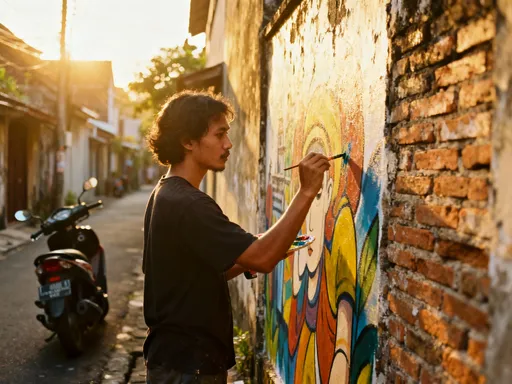
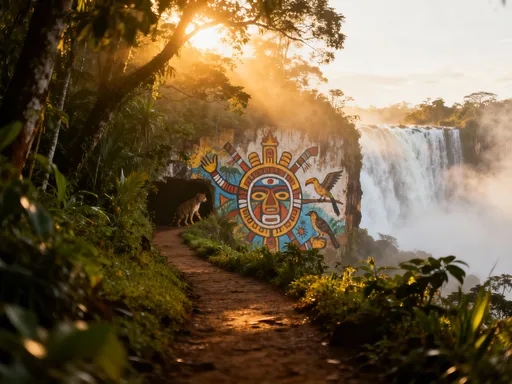
Foz do Iguaçu, the Brazilian city that serves as the main gateway to Iguaçu National Park, is often seen as a transit point—a place to sleep before visiting the falls. But those who linger discover a thriving urban canvas where creativity is woven into daily life. A short walk down Avenida Brasil reveals how public art transforms the city’s identity. Once-bland walls now come alive with murals that tell stories of migration, biodiversity, and cultural harmony. One striking piece near the central square depicts a jaguar leaping between trees, its body formed from overlapping handprints of local children—symbolizing community guardianship of the forest.
Perhaps the most emblematic mural is the Friendship Arch, painted on a curved wall near the international bridge. Blending Brazilian and Argentine national colors with motifs of birds in flight and entwined river roots, it celebrates the unity between neighboring countries. The mural doesn’t just decorate—it communicates. It reminds residents and visitors alike that despite borders, the ecosystems and cultures here are deeply connected. These artworks are not created by foreign street artists on brief visits, but by local collectives such as Coletivo Muro and Arte nas Ruas, who see art as a form of civic engagement and environmental awareness.
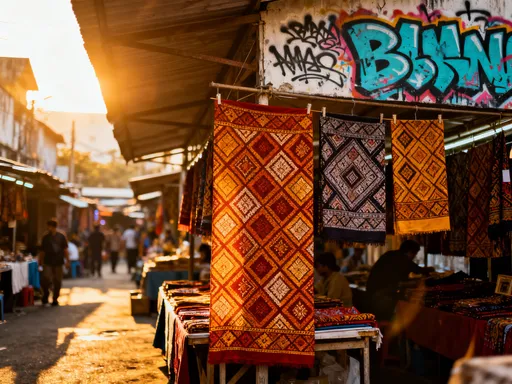
Beyond the walls, Foz’s markets offer another dimension of artistic expression. The Feirinha do Catuaí, open every weekend, is a treasure trove of handmade crafts. Here, artisans from nearby towns sell woven baskets made from buriti palm, ceramic jaguars fired in backyard kilns, and oil paintings of the falls in every season—spring’s lush greenery, winter’s golden light, and the storm-swollen torrents of summer. Each piece carries the mark of its maker, often with a small tag listing the artist’s name and hometown. This transparency fosters trust and ensures that income stays within the community.
For travelers seeking deeper engagement, several small studios offer hands-on workshops. At Ateliê Verde, visitors can try printmaking using dyes extracted from native plants like achiote and jatobá. The process is slow and mindful—grinding seeds, soaking cloth, pressing leaves into fabric. Similarly, Cerâmica do Sol hosts clay sculpting sessions where participants shape small figures inspired by local wildlife, guided by an artist whose family has worked with clay for three generations. These experiences do more than produce souvenirs; they create lasting memories rooted in cultural exchange and creative presence.
Art Within the Park: Installations That Dialogue with Nature
Inside Iguaçu National Park, art takes a different form—one that listens more than it speaks. Along the lesser-traveled trails, particularly on the Brazilian side’s Fray Bentos Trail and the Argentine side’s Green Trail, subtle installations appear like quiet invitations to pause and reflect. These are not grand sculptures or polished monuments. Instead, they are ephemeral interventions—rusting metal frames shaped like the outline of Devil’s Throat, sound sculptures made of bamboo that sing when the wind passes through, or stone mosaics arranged in the shape of a serpent, referencing Guarani creation myths.
Many of these works are the result of eco-art residencies sponsored by conservation groups and cultural foundations. Artists are invited for short stays to create pieces that respond to the environment without harming it. Materials are strictly limited to what is found on-site—driftwood, river stones, dried vines, or fallen leaves. Some installations are designed to decompose over time, returning to the forest floor as part of nature’s cycle. This impermanence is not a flaw; it is the point. These artworks mirror the transient beauty of the falls themselves—powerful, ever-changing, and ultimately beyond human control.
One particularly moving installation, titled “Echoes of the Canopy,” consists of suspended clay bells hung from tree branches at different heights. As visitors walk beneath them, the breeze sets them gently swaying, producing soft, irregular tones that blend with bird calls and distant water. Created by a collaboration between a São Paulo-based sound artist and members of the Mbyá-Guarani community, the piece invites listeners to attune their ears to the forest’s natural symphony. It does not dominate the landscape; it enhances it, encouraging a deeper kind of attention—one that is rare in our fast-paced world.
These artistic interventions do not seek to compete with the grandeur of the falls. Instead, they offer a counterpoint—a moment of stillness amid the roar. They remind visitors that the park is not just a visual spectacle but a living, breathing ecosystem with stories to tell. By placing art within the forest, curators and artists invite travelers to become participants in a dialogue between human creativity and natural wonder.
The Role of Cultural Centers: Where Creativity Takes Root
In recent years, dedicated cultural centers have emerged as vital anchors for the region’s growing art scene. Though modest in scale compared to major urban museums, these institutions play an outsized role in nurturing local talent and connecting visitors with authentic cultural experiences. The Museu das Cataratas, located just outside the park entrance, is more than a repository of historical photographs and geological displays. Its rotating exhibitions spotlight contemporary artists whose work engages with environmental themes. One recent show, “Water Lines,” featured large-scale ink drawings that mapped the flow of the Iguazu River using calligraphic strokes, blending science and poetry.
Even more impactful is the Itaipu Binacional Cultural Center, operated by the organization behind one of the world’s largest hydroelectric dams. While the dam itself is an engineering marvel, the cultural center ensures that progress does not erase heritage. It funds artist residencies focused on sustainability, water conservation, and Indigenous knowledge. Residents spend weeks in the region, creating works that are later displayed in the center’s gallery or installed in public spaces. The center also hosts educational programs for local schools, teaching children about both renewable energy and artistic expression.
What sets these cultural centers apart is their commitment to community inclusion. Exhibitions often feature collaborative works between urban artists and rural artisans, bridging geographic and social divides. Labels are written in Portuguese, Spanish, and sometimes Guarani, ensuring accessibility. Free admission days attract families from surrounding neighborhoods, making art a shared public good rather than an elite pursuit. These spaces do not merely display culture—they cultivate it, providing resources, mentorship, and platforms for voices that might otherwise go unheard.
How to Experience Art Responsibly: Tips for Thoughtful Travelers
Engaging with art in the Iguazu region is about more than taking photos or buying souvenirs. It’s an opportunity to connect meaningfully with the people and stories behind the creations. The first step is curiosity. When viewing a painting or holding a hand-carved bowl, ask: Who made this? What does it represent? Is the artist being fairly compensated? These questions matter. Unfortunately, many shops near the park entrance sell imported crafts labeled as “local art,” depriving genuine artisans of income and diluting cultural authenticity.
To support authentic artistry, seek out community-run cooperatives like Artesanato Guarani or Coopercatuaí, where profits go directly to the makers. These cooperatives often partner with eco-lodges and responsible tour operators, offering guided visits where travelers can meet artists, learn about their techniques, and even try their hand at simple crafts. Purchasing from these sources ensures that your spending contributes to sustainable livelihoods and cultural preservation.
Another way to engage responsibly is by participating in cultural walks led by local guides. These tours go beyond sightseeing—they include visits to open studios, conversations with artists, and stops at lesser-known murals with historical context. Unlike rushed group tours, these experiences prioritize depth over speed, allowing time for reflection and connection. Some eco-lodges, such as Refúgio Bela Vista, organize weekly artist meetups where guests can enjoy live music, storytelling, and craft demonstrations in an intimate garden setting.
Finally, practice mindful consumption. Choose quality over quantity. A single, thoughtfully made piece—a woven bracelet, a small painting, a hand-painted tile—carries more value than a bag of mass-produced trinkets. By investing in authentic art, travelers help sustain traditions that might otherwise fade in the face of globalization and mass tourism.
Timing, Access, and Logistics: Planning Your Art-Focused Visit
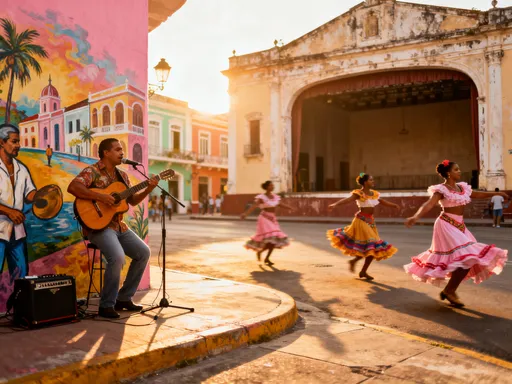
To fully experience the art side of Iguazu, timing and planning are essential. While the falls can be visited year-round, the best moments for cultural engagement occur during the shoulder seasons—March to May and August to October. During these months, the weather is mild, crowds are thinner, and local events are more frequent. The Foz International Arts Festival, typically held in September, brings together musicians, painters, and dancers from across South America for performances in public squares and pop-up galleries.
Many art studios and cultural centers participate in “Open Atelier” weekends, when artists welcome visitors into their workspaces. These events are often promoted on local tourism websites and social media pages. Booking in advance is recommended, especially for workshops, as group sizes are kept small to ensure personal attention.
Most art spaces in Foz do Iguaçu are easily accessible. The city center is walkable, and murals are concentrated along Avenida Brasil and Rua Paraná. The Museu das Cataratas is just a five-minute drive from the park entrance, while the Itaipu Binacional Cultural Center is about 15 minutes away by taxi. Entry fees are minimal—usually under $5 USD—making these experiences affordable for most travelers. Workshops typically range from $15 to $30, often including materials and a small keepsake.
A well-balanced itinerary might include a full day at the falls, followed by a half-day dedicated to cultural exploration. Start with a morning mural walk in Foz, then visit the Museu das Cataratas. In the afternoon, attend a workshop or book a studio visit. Evening options include live music at a local cultural center or a community art fair. For those staying on the Argentine side, guided cultural tours from Puerto Iguazú can include visits to artisan markets and collaborative art projects near the national park.
Why This Blend of Nature and Art Matters
The fusion of wild landscape and human expression at Iguazu reveals a deeper truth: beauty isn’t just seen—it’s felt, interpreted, and shared. When art grows from a place, it becomes a bridge between visitor and local, between awe and understanding. The roar of the falls stirs the body, but the quiet mural on a city wall or the hand-carved flute played at dusk stirs the soul. Together, they create a fuller, richer experience—one that lingers long after the trip ends.
Protecting the Iguazu Falls is not only about conserving water and wildlife. It’s also about preserving the culture that rises alongside it—the songs, the stories, the crafts, and the creative spirit that transforms observation into connection. In a world where tourism often reduces destinations to checklists and photo ops, Iguazu offers something rare: a journey where nature and art flow as one, each amplifying the other’s power.
For the thoughtful traveler—especially those who value depth, meaning, and authenticity—this region invites a different kind of exploration. It asks not just that you witness its wonders, but that you listen to them, learn from them, and leave with more than memories. By embracing both the wild cascade and the quiet brushstroke, you become part of a living tradition—one that honors the past, sustains the present, and flows forward with purpose.