This Is Why Everyone’s Snapping Photos at Delphi’s Hidden Taverns
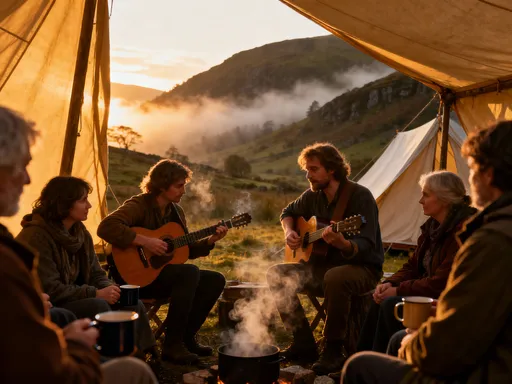
Perched on Mount Parnassus, Delphi is more than ancient ruins and oracle legends—it’s a feast for the senses. I didn’t expect my most unforgettable moment to come not from history, but from a sun-drenched table overlooking the valley, where local flavors met breathtaking views. Specialty dining here isn’t just about food; it’s an Instagram-worthy experience woven with culture, scenery, and authenticity. Let me take you where mythology meets modern magic on every plate. The mountains cradle this sacred site like ancient arms, and within its folds, a quieter kind of revelation unfolds—one served on rustic platters, shared over slow sips of wine, and framed by vistas that seem painted by time itself. This is not tourism as performance, but as presence.
The Allure of Delphi Beyond the Ruins
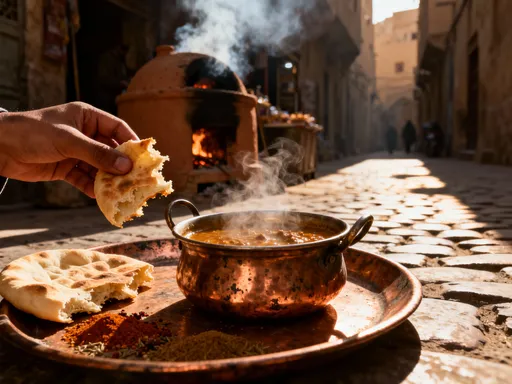
Most travelers arrive in Delphi with history on their minds—drawn by the Temple of Apollo, the ancient theater, and the whisper of prophecies once uttered in hallowed chambers. Yet, those who linger past midday discover a different rhythm, one shaped as much by the land’s bounty as by its legends. Nestled at nearly 600 meters above sea level, Delphi enjoys crisp air, gentle breezes, and a stillness that settles into the bones. The terrain climbs steeply, terraced with stone and dotted with wild thyme and sage, giving the region a fragrance all its own. It is here, amid olive groves and cypress trees, that a quieter form of pilgrimage takes place—not to stone altars, but to wooden tables set with sun-ripened produce and slow-cooked stews simmered in copper pots.
For centuries, Delphi was a spiritual crossroads, drawing visitors from across the Hellenic world. Today, it remains a destination of meaning, though the rituals have evolved. Instead of consulting oracles, modern travelers seek connection—through flavor, through landscape, through moments of quiet awe. The village itself, with its whitewashed homes and cobblestone paths, feels suspended between eras. This duality—ancient and alive—makes Delphi uniquely suited to experiential travel. It’s a place where the past isn’t locked behind glass but lives in the way bread is baked, herbs are gathered, and meals are shared under open skies.
What sets Delphi apart from other historic sites is its integration of culture and cuisine. The local diet reflects the region’s geography: mountainous, sun-soaked, and rich in biodiversity. Meals are not rushed but unfolded over hours, mirroring the pace of life itself. Travelers who come solely for the archaeological park often miss this deeper layer—the understanding that to taste Delphi is to understand it. The air carries the scent of grilled lamb and wood-fired ovens; the evenings hum with soft conversation and the clink of glasses. This sensory richness transforms a day trip into a lasting memory, and it begins not with a guidebook, but with a single bite.
Why Specialty Dining in Delphi Feels Like a Revelation
In Delphi, food is not merely sustenance—it is heritage. The kitchens of family-run tavernas operate like culinary archives, preserving recipes passed down through generations. These dishes are born of necessity and refined by time: simple ingredients elevated by technique, tradition, and terroir. The Phocian region, where Delphi is located, has long relied on what the mountains provide—wild greens, free-range animals, and dairy from small herds grazing on aromatic slopes. Every meal tells a story, not just of flavor, but of resilience, seasonality, and care.
Take, for example, the feta cheese served here—often made in nearby villages with milk from sheep that feed on wild thyme and oregano. The result is a creamier, more complex flavor than mass-produced versions, with a tang that lingers on the tongue. Or consider the honey, thick and golden, harvested from hives placed high in the hills where bees pollinate thyme blossoms. This monofloral thyme honey is prized not only for its taste but for its natural antibacterial properties, a fact long known to local healers. These ingredients are not marketed as gourmet—they are simply how people have always eaten.
Another hallmark of Delphic cuisine is its reverence for slow cooking. Stews like *stifado*—a rich rabbit or beef dish simmered with pearl onions and red wine—are left to meld for hours, allowing flavors to deepen and textures to soften. Grilled meats are marinated in lemon, olive oil, and wild herbs, then cooked over charcoal for a smoky finish. Even humble dishes like *horta*—boiled wild greens dressed in lemon and oil—carry a depth of flavor that surprises first-time visitors. These are not meals designed for speed, but for savoring.
What makes this dining experience particularly compelling today is its authenticity in an age of imitation. While many tourist destinations serve stylized versions of local food, Delphi’s tavernas remain rooted in tradition. There is no performative rusticity—just honest cooking, often done by the same hands that grew or gathered the ingredients. This genuineness resonates with travelers seeking meaningful encounters, not just photo ops. When you sit down to eat here, you’re not consuming a theme—you’re participating in a living culture. And that, more than any plating or presentation, is what makes the experience unforgettable.
The Rise of Instagram-Worthy Dining Experiences
In the age of digital storytelling, how a meal looks is almost as important as how it tastes. Travelers no longer just eat—they document. A beautifully plated dish, set against a stunning backdrop, becomes a token of experience, a way to say, “I was here, and it was extraordinary.” Delphi, almost by accident, has become a haven for such moments. Its dining spaces—perched on cliffs, nestled in courtyards, or opening onto panoramic terraces—offer natural beauty that needs no enhancement. There are no artificial backdrops or staged photo booths; the scenery is real, unfiltered, and deeply photogenic.
Many of Delphi’s tavernas are built into the hillside, their stone walls blending seamlessly with the landscape. Whitewashed exteriors contrast with cobalt-blue door frames and window shutters, a color scheme that echoes the Aegean but feels perfectly at home among the pines and rocks of Mount Parnassus. Tables are often draped with simple linen cloths, adorned with sprigs of fresh herbs or small ceramic pitchers of olive oil. Olive branches are casually draped over railings or tucked into glass bottles, adding a touch of wild elegance. At sunset, the light turns golden, casting long shadows and bathing everything in a warm, honeyed glow—ideal for photography without flash or editing.
The design of these spaces is not driven by trends but by function and tradition. Open-air terraces allow diners to feel the mountain breeze and hear the rustle of leaves. Stone floors stay cool in summer, while wooden beams overhead provide shade without enclosing the space. Seating is often a mix of wooden chairs and built-in stone benches, encouraging relaxed, unhurried meals. Even the tableware feels intentional—earthenware plates, hand-thrown cups, and copper serving dishes that gleam under the low evening light. These details, though subtle, create a cohesive aesthetic that feels both timeless and deeply inviting.
What’s remarkable is that none of this feels contrived. Unlike some destinations where restaurants are designed solely for social media appeal, Delphi’s charm emerges organically. The beauty lies in the authenticity—the way a waiter carries a tray of mezze with one hand while pointing out the valley below, or how a grandmother brings out a dessert she baked that morning, still warm from the oven. These are not performances; they are everyday moments elevated by setting and sincerity. For travelers, capturing these scenes is not about vanity, but about preserving a feeling—a sense of place, of peace, of connection.
Spotlight on Authentic Eateries With Visual Charm
While specific restaurants may change over time, certain types of dining venues consistently define Delphi’s culinary landscape. These are not flashy establishments with celebrity chefs, but humble, family-operated spots where hospitality is instinctive and menus are dictated by the season. One common type is the vine-covered courtyard taverna, often located just a short walk from the main archaeological site. These hidden gems are easy to miss but unforgettable once found. Shaded by grapevines or climbing jasmine, their patios offer intimate settings where conversation flows easily and time slows down.
Another beloved category is the hillside ouzeri—a casual spot specializing in small plates and the anise-flavored spirit, ouzo. These venues typically feature low wooden tables, cushioned seating, and unobstructed views of the valley below. As the sun dips behind Mount Parnassus, patrons sip chilled ouzo with water and ice, watching the sky shift from gold to deep violet. The mezze arrive in quick succession: marinated octopus, fried zucchini balls, dolmades wrapped in vine leaves, and creamy taramasalata. Each dish is modest in size but rich in flavor, meant to be shared slowly, accompanied by laughter and stories.
During the summer months, seasonal pop-ups appear during local festivals, often set up in open plazas or abandoned courtyards. These temporary kitchens highlight regional specialties—think slow-roasted lamb on skewers, phyllo pies filled with greens and feta, or fresh figs drizzled with honey. They are lively, communal spaces where locals and visitors mingle, dancing to traditional music or clapping along to live bouzouki performances. The atmosphere is festive but never overwhelming, maintaining the village’s inherent calm.
What unites these eateries is a commitment to authenticity. Ingredients are sourced locally—often from the owner’s garden or a relative’s farm. Presentation is simple but thoughtful: a sprig of mint on a yogurt dish, a zigzag of olive oil over grilled fish, a dusting of oregano over roasted potatoes. There is no attempt to mimic fine dining; instead, the focus is on warmth, generosity, and flavor. And because these spaces are embedded in the community, they offer a rare kind of access—not just to food, but to the rhythm of daily life in Delphi.
How to Time Your Visit for the Best Experience
To fully appreciate Delphi’s dining culture, timing is essential. The difference between a pleasant meal and a magical one often comes down to the hour of day and the season of visit. For optimal lighting and ambiance, late afternoon is ideal. Arriving around 5:30 or 6:00 p.m. allows diners to enjoy the final hours of sunlight, when the valley glows and the air is still warm. As the sun sets, the sky transforms into a canvas of pinks and oranges, casting a soft radiance over the tables. This golden hour is not only perfect for photography but also marks the beginning of the evening’s gentle energy.
Early evening, between 7:30 and 9:00 p.m., is when the atmosphere truly comes alive. Lanterns are lit, candles flicker on tables, and the temperature cools just enough to make a light jacket welcome. This is the peak time for dining, and reservations are advisable, especially for outdoor seating with views. Those who prefer a quieter experience might consider eating earlier than the local custom, which often sees meals start later in the summer months.
Seasonality also plays a crucial role. Spring, from April to June, brings an abundance of fresh greens, wild asparagus, and artichokes—ingredients that appear in seasonal dishes and brighten the palate after winter. The landscape is lush, and the weather is mild, making outdoor dining comfortable even in the late afternoon. Summer, from July to August, is the busiest season, with long days and warm nights ideal for al fresco meals. Many tavernas extend their hours, and outdoor festivals bring additional culinary offerings. However, midday can be crowded, especially near the archaeological site, so planning meals for late afternoon helps avoid the rush.
Autumn, particularly September and October, is a hidden gem for food lovers. The grape harvest brings new wine—known as *petimezi* or *protimenia*—and dishes featuring figs, quince, and chestnuts begin to appear. The light is softer, the crowds thinner, and the air carries a crispness that enhances the flavors of roasted meats and hearty stews. Even winter, though quieter, has its charms. Some tavernas remain open, offering warm interiors with wood-burning stoves and menus centered on comfort food. For those seeking solitude and authenticity, the off-season can be the most rewarding time to visit.
What to Order (and Photograph)
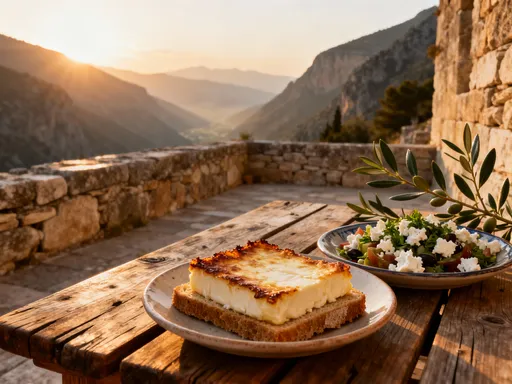
Certain dishes in Delphi are not only delicious but inherently photogenic, combining vibrant colors, rustic plating, and cultural significance. One standout is *saganaki*, a fried cheese served flambéed with a sprinkle of lemon juice. Typically made with graviera or kefalograviera, the cheese arrives bubbling in a small copper pan, its golden crust glistening under the light. When set against a stone table with a backdrop of mountains, it becomes a visual centerpiece—smoky, dramatic, and deeply traditional.
Another must-try is *dakos*, a Cretan-inspired barley rusk topped with chopped tomatoes, crumbled feta, olives, and a generous drizzle of olive oil. The contrast of red tomatoes, white cheese, and black olives makes it a natural for photography, especially when served on a hand-painted ceramic plate. The dish is fresh, tangy, and emblematic of the Mediterranean diet—simple, healthy, and full of flavor.
Grilled octopus is another highlight, often served with a side of lemon potatoes or a simple green salad. The tentacles, charred at the edges and tender within, are arranged artfully on a wooden board, sometimes garnished with capers or parsley. When photographed at golden hour, the dish takes on a warm, almost painterly quality. Pairing it with a glass of local Assyrtiko or a chilled raki infused with mountain herbs completes the sensory experience.
Desserts, too, are worth capturing. *Galaktoboureko*, a custard-filled phyllo pie dusted with cinnamon, is often served in generous squares, its layers crisp and golden. *Loukoumades*, honey-soaked dough balls sprinkled with walnuts, are frequently presented in a rustic bowl, drizzled with thyme honey that catches the light like liquid amber. These sweets are not just endings to a meal—they are celebrations of craft and tradition, meant to be savored slowly and shared with others.
Traveler Tips for a Seamless, Picture-Perfect Meal
To make the most of a dining experience in Delphi, a few practical considerations can enhance both comfort and enjoyment. First, dress in layers. While days can be warm, especially in summer, evenings cool quickly at this altitude. A light cardigan or jacket is useful, even in July. Comfortable shoes are also essential, as many tavernas are reached via uneven stone paths or short uphill walks.
When photographing meals, natural light is your best ally. Position yourself so that the sun is behind you or to the side, illuminating the dish without harsh shadows. Avoid using flash, which can wash out colors and disturb other diners. If shooting during golden hour, take advantage of the warm tones and soft diffusion—these conditions require no filters to look stunning.
Equally important is mindfulness. While capturing memories is natural, it’s valuable to pause, put the phone down, and simply be present. The sound of distant church bells, the scent of rosemary on the breeze, the warmth of a shared smile with a server—these are the intangible moments that stay with you longest. Photography should enhance the experience, not replace it.
Respect for local customs also goes a long way. Dining in Delphi is generally relaxed, but loud behavior or intrusive photography is frowned upon. It’s courteous to ask before photographing staff or other guests. Tipping is appreciated but not obligatory—leaving a small extra amount or rounding up the bill is customary.
Finally, consider transportation. The archaeological site and the village center are within walking distance of most tavernas, making evening strolls part of the pleasure. For those staying farther away, hiring a local driver or using a reputable taxi service ensures a safe return, especially after enjoying wine or raki. Many families who run tavernas are happy to recommend trusted drivers, reinforcing the community-based nature of the experience.
Conclusion: Where History, Flavor, and Beauty Connect
Delphi offers something increasingly rare in modern travel—a destination where every sense is engaged, and every meal feels like a quiet ritual. It is a place where ancient stones whisper stories of the past, while wooden tables serve reminders of life’s simple pleasures. The combination of mythic surroundings, authentic cuisine, and natural beauty creates experiences that linger long after the camera is put away. Here, dining is not an interruption of sightseeing, but an extension of it—an act of connection to land, culture, and community.
What makes Delphi’s specialty dining scene truly special is its balance of depth and dazzle. The meals are Instagram-worthy, yes—but not because they are staged or stylized. They are beautiful because they are real. The golden crust of saganaki, the vibrant colors of a dakos salad, the panoramic view from a hillside taverna—these are not curated for likes, but lived in real time by people who cherish their heritage.
For the 30- to 55-year-old traveler—often balancing family, work, and personal renewal—Delphi offers a restorative kind of journey. It is not about ticking off landmarks, but about savoring moments. It is for those who appreciate tradition, value authenticity, and seek beauty that feels earned, not engineered. In a world of fleeting trends, Delphi’s hidden tavernas stand as quiet testaments to the enduring power of place, flavor, and human warmth. To dine here is not just to eat, but to remember what it means to be nourished—body, mind, and soul.