Flavors of the Old City: A Local’s Journey Through Sana’a’s Soul
Sana’a isn’t just Yemen’s capital—it’s a living maze of stone towers and centuries-old traditions where every meal tells a story. I wandered its alleys hungry and left transformed, one bite at a time. From fragrant mandi simmered in underground ovens to honey-drenched bint al-sahn, the city’s cuisine is bold, warm, and deeply communal. This is more than food; it’s heritage served on a plate. In a world where travel often prioritizes sights over soul, Sana’a offers a rare invitation: to taste a culture from within, where spice-laden air guides you through ancient lanes and shared meals become quiet acts of belonging.
The Heartbeat of Sana’a: Where Food and History Meet
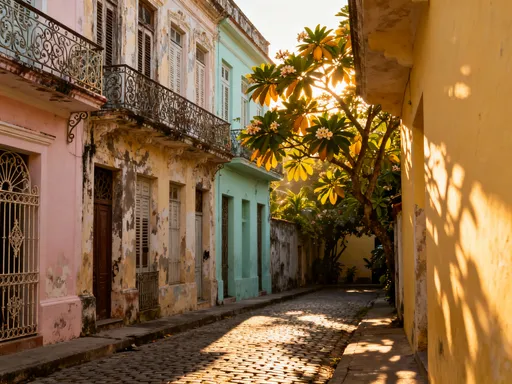
The Old City of Sana’a, a UNESCO World Heritage Site, stands as one of the oldest continuously inhabited urban centers in the world. Its towering multi-story houses, built from rammed earth and decorated with geometric patterns in white gypsum, rise like sentinels over a labyrinth of narrow alleys. These winding paths are more than architectural marvels—they are arteries of daily life, pulsing with the rhythms of communal existence. Food is at the center of this rhythm. It is not tucked away behind closed doors but celebrated in open-air markets, family courtyards, and neighborhood gatherings where generations gather around a single platter.
Walking through the Old City, one is immediately struck by the sensory richness of its food culture. The air carries layers of scent: warm cumin, toasted coriander, smoky charcoal, and the sharp tang of dried limes. These aromas drift from open doorways where women prepare meals in clay ovens, or from street stalls where men stir bubbling pots of stew. Markets like Souq al-Milh serve as culinary hearts, drawing locals and visitors alike into a world where spices are sold in hand-rolled paper cones and bread is baked fresh every few hours. This is a city where tradition is not preserved behind glass but lived with every meal.
The social fabric of Sana’a is deeply interwoven with its dining customs. Meals are rarely solitary affairs. Even a simple breakfast of ful medames—mashed fava beans seasoned with garlic, lemon, and chili—is often shared with neighbors or guests who arrive unannounced. Hospitality is not a gesture but a duty, rooted in centuries of tribal and Islamic values. To be invited into a home for a meal is to be welcomed into the family’s inner circle, a sign of deep respect and trust. The architecture supports this culture: homes are designed with large central rooms and low seating, encouraging conversation and closeness during meals.
Equally important is the role of qat. While controversial in international discourse, the afternoon qat session remains a cornerstone of social life in Sana’a. After the midday meal, men often gather in designated rooms to chew the mild stimulant leaf, discuss politics, and recount stories. These sessions are not about intoxication but connection—spaces where relationships are nurtured over tea and conversation. Though not directly related to food, the rhythm of the qat ritual shapes the timing and pacing of meals, reinforcing the idea that eating is part of a broader social experience, not a mere act of sustenance.
Signature Dishes You Can’t Miss: Taste the Authentic
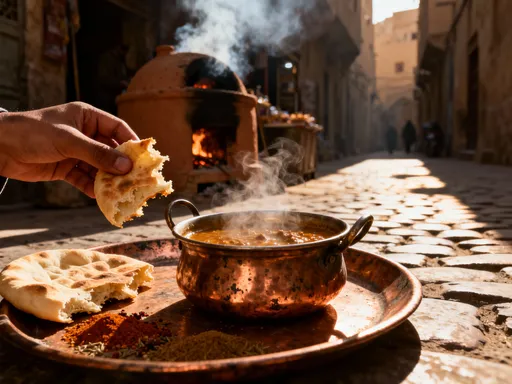
To understand Sana’a is to taste its most iconic dishes—each one a reflection of the region’s geography, history, and communal spirit. At the top of any culinary journey is saltah, widely regarded as Yemen’s national dish. It arrives at the table in a deep bowl, its surface crowned with a frothy layer of hulba, a whipped fenugreek paste that gives the dish its distinctive texture and earthy aroma. Beneath lies a rich stew of meat—usually lamb or chicken—slow-cooked with tomatoes, onions, and a blend of spices known as hawaij. A swirl of sahawiq, a fiery chili and herb paste, is often added just before serving, igniting the senses with heat and fragrance.
Saltah is more than a meal; it is a performance of flavor and tradition. It is traditionally cooked in a heavy metal pot called a matbakh and served piping hot, often with a side of steaming mulawah flatbread used to scoop up every drop. The dish embodies Yemeni cooking principles: bold spices, slow preparation, and a deep respect for texture. Its origins are humble, born from the need to create nourishing, long-lasting meals in a rugged climate, yet it has evolved into a symbol of national pride and daily ritual.
Another essential experience is mandi, a dish that showcases Yemen’s mastery of underground cooking. Meat—typically lamb or chicken—is marinated in aromatic spices and lowered into a tandoor-like pit oven, where it cooks slowly beneath layers of hot stones and damp cloth. The result is tender, smoky meat with a deep, caramelized crust, served over fragrant basmati rice that has absorbed the juices and spices. The word “mandi” comes from the Arabic root meaning “to drop,” referring to how the meat is lowered into the pit. This method, passed down through generations, requires skill and patience, and is often reserved for special occasions or large family gatherings.
For breakfast or a hearty snack, ful medames offers a simpler but no less satisfying option. Mashed fava beans are simmered overnight with garlic, cumin, and lemon juice, then topped with chopped tomatoes, onions, and a drizzle of olive oil. It is served with warm flatbread and often accompanied by boiled eggs or yogurt. Equally beloved is fahsa, a communal stew made with tender chunks of lamb or goat, cooked in a wide, shallow pot and seasoned with black lime and hawaij. Unlike saltah, fahsa is not frothy but rich and savory, meant to be shared from a single dish using pieces of bread as utensils.
Sweet endings in Sana’a are just as meaningful. Bisbousa, a semolina cake soaked in sugar syrup and often topped with almonds, is a staple at celebrations. But the most iconic dessert is bint al-sahn, a layered honey cake that requires hours of preparation. Thin sheets of dough are rolled, brushed with ghee, and coiled into a spiral before being baked and drenched in warm honey. The result is flaky, buttery, and impossibly sweet—a dish often reserved for Eid, weddings, or honored guests. Each bite feels like a gift, a labor of love offered with pride.
Eating Like a Local: When and How Meals Unfold
In Sana’a, meals are not dictated by the clock but by the rhythm of life, faith, and community. The day begins early, often with a warm bowl of ashura, a porridge made from wheat, lentils, and chickpeas, sweetened with dates or honey. This dish, especially popular during the Islamic month of Muharram, is a symbol of generosity and remembrance, often prepared in large quantities and shared with neighbors and the less fortunate. It sets the tone for a day where food is not just nourishment but an act of faith and connection.
The midday meal is the centerpiece of the Yemeni day. Families gather after prayers, and the table is set for the main course—often saltah, mandi, or fahsa. Meals are served on large communal platters, placed on a low table or on the floor, surrounded by cushions. Diners sit cross-legged, using their right hand to tear off pieces of flatbread and scoop up stew. The left hand is traditionally reserved for personal hygiene and is never used for eating, a cultural norm deeply respected in homes and public settings alike.
The pace of dining is slow and intentional. Conversations flow freely, laughter rises, and elders are served first as a sign of respect. It is common for additional dishes to appear throughout the meal—side bowls of yogurt, fresh salad, or extra sahawiq—offered with quiet insistence. Refusing food can be seen as a slight, so even if one is full, it is polite to accept at least a small portion. This generosity is not performative; it is a genuine expression of care and welcome.
Evenings in Sana’a are quieter but no less rich in ritual. As the sun sets and the call to prayer echoes through the valleys, families gather for tea—black tea brewed strong with cardamom, cinnamon, or mint. Served in small glasses, often with cubes of sugar on the side, it is a moment of pause and reflection. Snacks like boiled chickpeas, roasted nuts, or leftover flatbread with honey may accompany the tea, turning a simple drink into a social event. These nightly gatherings reinforce bonds, allowing families to reconnect after a long day.
Hidden Eateries and Street Bites: Beyond the Tourist Path
While Sana’a’s reputation for fine dining may not be widely known internationally, its street food culture is vibrant and deeply authentic. Away from the main tourist routes, tucked into narrow alleyways or beneath the shade of old stone arches, are small, unmarked eateries where locals gather for quick, satisfying meals. These are not restaurants in the Western sense—many lack signs, menus, or chairs—but they are where the soul of the city’s cuisine truly lives.
One of the most beloved street foods is shawa, Yemeni-style grilled meat. Vendors cook skewers of lamb or chicken over open charcoal grills, basting them with spiced ghee and turning them until the exterior is crisp and the interior juicy. The meat is served wrapped in warm mulawah or on a plate with a side of sahawiq. The experience is sensory: the sizzle of fat hitting hot coals, the golden glow of the flames at dusk, the rich aroma of cumin and cardamom rising into the cool evening air.
Another street favorite is hulba, a warm, thick fenugreek-based stew often sold by women from small carts or home kitchens. It is typically served in a bowl with a dollop of yogurt and a sprinkle of sahawiq, accompanied by fresh bread. Though simple, it is deeply comforting, especially in the cooler months. Unlike restaurant versions, street hulba is often more rustic—less refined but full of character—and reflects the resourcefulness of home cooks who turn humble ingredients into nourishing meals.
For those willing to explore, these hidden spots offer a more intimate experience than formal dining. Interaction is direct and personal. Vendors remember regulars, greet newcomers with curiosity, and often insist on sharing a taste of something special. Hygiene standards may differ from Western expectations, but many of these places maintain clean practices out of pride and necessity. Travelers are advised to choose busy stalls with high turnover, drink bottled water, and avoid raw vegetables unless peeled. The key is to eat where the locals eat—where freshness and tradition matter more than presentation.
Market Adventures: A Walk Through Sana’a’s Food Souqs
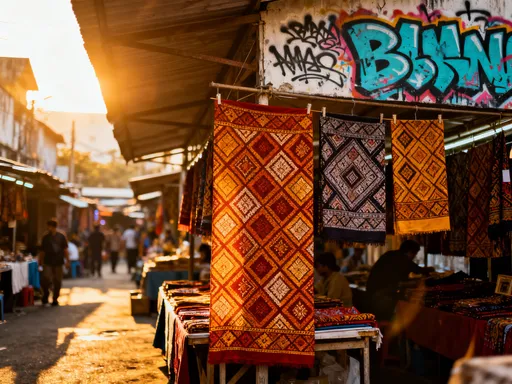
No culinary journey through Sana’a is complete without a visit to its bustling food markets. Souq al-Milh, one of the oldest and largest, is a sensory overload in the best possible way. Stalls overflow with sacks of dried limes, mountains of turmeric, and bundles of fresh herbs. The air is thick with the scent of cardamom, saffron, and black cumin—spices that form the backbone of Yemeni cuisine. Vendors sit cross-legged behind their goods, calling out prices or engaging in friendly banter with customers.
What makes these markets unique is not just the variety of ingredients but the way they are selected and used. Locals know exactly which stall carries the best quality saffron, which vendor roasts their cumin just right, and which woman makes the freshest dough for bint al-sahn. Shopping is a social act, filled with conversation, bargaining, and mutual respect. Prices are rarely fixed; haggling is expected but done with courtesy and a smile. A successful transaction ends not just with a purchase but with a handshake and a shared cup of tea.
For visitors, navigating the souq can be overwhelming, but also deeply rewarding. Dressing modestly—long sleeves and trousers for men, a headscarf for women—shows respect and helps one blend in. Visiting in the morning, when the markets are busiest and the produce freshest, offers the best experience. It is also a good time to observe how locals interact: the way a mother tests the firmness of a squash, the way a chef sniffs a handful of coriander before buying a bundle, the way an elder points to a spice and says, “This one, it has soul.”
Some of the most interesting finds are in the smaller, neighborhood souqs, where families shop daily. These markets may not have the grandeur of Souq al-Milh, but they offer a more intimate view of daily life. One might find a woman selling homemade sahawiq in small jars, or a man offering freshly roasted coffee beans, still warm from the pan. These moments—small, quiet, and genuine—are what make Sana’a’s food culture so special.
Cooking Traditions Passed Down: Women, Fire, and Family Recipes
Behind every great Yemeni meal is a woman—often a mother, grandmother, or aunt—who has spent a lifetime mastering the art of flavor and balance. In Sana’a, the kitchen is a place of quiet authority, where recipes are not written down but passed from hand to hand, voice to voice. A daughter learns to knead dough by watching her mother’s hands move with practiced ease. A niece learns to roast spices by standing beside her aunt, inhaling the rising aroma as cumin and coriander darken over flame.
These traditions are not confined to special occasions. Every day, in homes across the Old City, women rise before dawn to prepare breakfast, tend to stews throughout the day, and serve meals with grace and generosity. Their knowledge is vast: how long to simmer fenugreek for the perfect hulba froth, how much saffron to add without overpowering, how to layer bint al-sahn so each coil bakes evenly. This expertise is rarely acknowledged in public, but it is the foundation of Yemeni culinary identity.
Seasonal dishes mark the passage of time and faith. During Ramadan, families prepare elaborate iftar spreads with dates, samosas, and fruit juices. For Eid al-Fitr, bint al-sahn is baked in large quantities, its golden layers glistening with honey. Weddings call for massive pots of mandi, enough to feed dozens of guests. These meals are not just about feeding people but about honoring tradition, expressing joy, and reinforcing family bonds.
Despite the challenges of modern life, these traditions endure. Even in homes with modern appliances, many women still prefer to cook over wood-fired stoves or in clay ovens, believing that the flame imparts a flavor no gas range can replicate. Recipes evolve subtly—some families now use blenders to make sahawiq, others add new spices—but the core remains unchanged. In a world of fast food and convenience, Sana’a’s kitchens stand as quiet acts of resistance, preserving a heritage one meal at a time.
Savoring Sana’a Responsibly: Cultural Respect and Culinary Etiquette
For travelers, dining in Sana’a is not just a culinary experience but a cultural one. To eat like a local is to observe, listen, and participate with humility. When invited into a home, it is customary to bring a small gift—fruit, sweets, or tea—as a token of appreciation. Dressing modestly is essential, especially for women, who should cover their arms and legs and consider wearing a headscarf in conservative neighborhoods.
Seating is usually on the floor, and it is polite to wait for the host to indicate where to sit. Elders are served first, and it is customary to eat with the right hand, using bread as a utensil. While it may feel awkward at first, embracing this practice is a sign of respect. If offered food, it is considered rude to refuse outright. Even if one is not hungry, accepting a small portion with gratitude is the proper response. Complimenting the meal is always appreciated, but in a reserved way—exaggerated praise can make the host uncomfortable.
Photography should be approached with care. Always ask permission before taking pictures of people, especially women, or of food being prepared. In some homes, photography may not be allowed at all, and this should be respected without question. The goal is not to document but to experience—to be present in the moment, to savor the flavors, and to honor the generosity being offered.
Finally, patience is key. Meals unfold slowly. Dishes arrive one at a time. Conversations meander. There is no rush. This is not inefficiency but intentionality. To sit through a two-hour meal without checking a watch is to participate in a culture that values presence over productivity. In doing so, one does not just taste Sana’a’s food—but begins to understand its soul.
Conclusion: More Than a Meal—A Connection to Yemen’s Spirit
Sana’a’s cuisine is not a tourist attraction to be consumed and forgotten. It is a living tradition, a daily act of love, memory, and resilience. To eat in this ancient city is to step into a world where food is not separate from life but central to it—where every spice tells a story, every shared platter builds a bridge, and every meal is an offering of trust. In an age of fast travel and fleeting experiences, Sana’a reminds us that the deepest connections are made not through sightseeing, but through sitting down together, breaking bread, and saying, without words, “You are welcome here.”
For the traveler willing to go beyond the surface, Sana’a offers a rare gift: the chance to taste a culture on its own terms. It asks not for admiration from a distance, but for presence, respect, and openness. To savor its flavors is to honor its people, to listen to its history, and to become, even briefly, part of its story. In the end, the journey through Sana’a’s soul is not measured in miles, but in moments—of warmth, of generosity, of flavor so rich it lingers long after the last bite.