This Is Rotorua: Where Earth Talks and Time Slows Down
You know that feeling when the ground beneath you pulses with energy? In Rotorua, New Zealand, it’s not just the geothermal fields—it’s the rhythm of life itself. I wandered here with no agenda, drawn by the steam rising from the earth and the promise of a slower pace. This isn’t a place to rush through; it’s a landscape that asks you to pause, breathe, and truly feel where you are. The air carries the faint scent of sulfur, not unpleasant but primal, like the earth whispering secrets only those who listen closely can hear. Here, time doesn’t march forward—it settles, like mist over a hot spring at dawn. Rotorua doesn’t invite sightseeing; it invites presence. And in a world that never stops moving, that kind of stillness is not just rare—it’s revolutionary.
The Pulse Beneath Your Feet
Rotorua sits atop one of the most geothermally active regions on the planet, a place where the Earth’s inner fire dances close to the surface. This is not scenery—it’s a living, breathing system. Steam escapes through cracks in the pavement in the middle of town. Pools of mud bubble and belch with rhythmic consistency, as if keeping time with some ancient heartbeat. Geysers erupt without warning, sending plumes of boiling water skyward in brief, powerful displays. These are not attractions built for tourism; they are natural phenomena that have shaped this land for millennia.
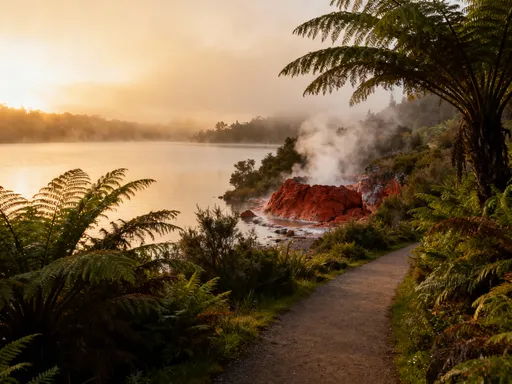
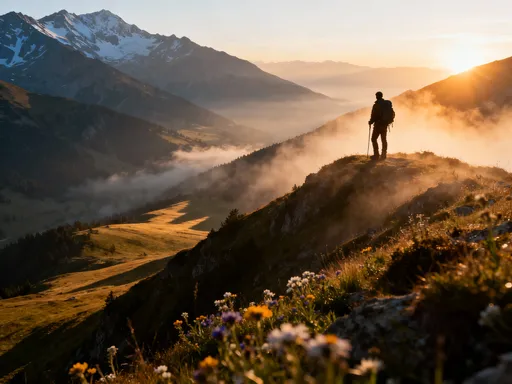
Walking through places like Waimangu Volcanic Valley or Wai-O-Tapu Thermal Wonderland is like stepping onto another planet. At Waimangu, the world feels raw and untamed. The valley was formed by the 1886 Mount Tarawera eruption, one of New Zealand’s most violent volcanic events, and nature has been reclaiming it ever since. Boardwalks wind through steaming fissures and emerald lakes, each turn revealing a new wonder: the Inferno Crater, a turquoise pool that fluctuates in water level with mysterious precision; the Echo Crater, where fumaroles hiss and roar like underground dragons. The sound is constant—a low hum of escaping gas, the occasional crackle of shifting earth, the gentle gurgle of hot springs. It’s a symphony composed by the planet itself.
At Wai-O-Tapu, the colors are almost unreal. The Champagne Pool, a large hot spring with vivid orange and yellow mineral deposits around its rim, glows like liquid amber under the morning sun. The Lady Knox Geyser erupts daily, a human-triggered spectacle, but even that feels in harmony with the land when witnessed among such raw power. The smell of sulfur is ever-present, but rather than being off-putting, it grounds you in the reality of this place—this is not a sanitized experience. It is earth in motion, unpredictable and alive. Visitors often comment on how the ground feels warm underfoot, a subtle but constant reminder that you are walking above a living engine.
This geothermal activity is not just a backdrop—it is central to Rotorua’s identity. Locals speak of the land with reverence, not just as a source of tourism but as a provider, a teacher, and sometimes, a force to be respected. Houses in certain areas are heated by natural hot water piped from underground. Community baths have existed here for generations, long before hotels and visitor centers. The land doesn’t just support life here—it shapes it, dictates it, and inspires it.
Why Slow Travel Fits Rotorua Perfectly
In a world obsessed with efficiency, Rotorua quietly resists. This is a place that rewards slowness, not speed. The philosophy of slow travel—choosing depth over distance, presence over productivity—is not just appropriate here; it is necessary. To truly experience Rotorua, you must surrender to its pace. You cannot rush a geyser. You cannot hurry a hot spring. You can only wait, observe, and allow yourself to be drawn into the rhythm of the land.
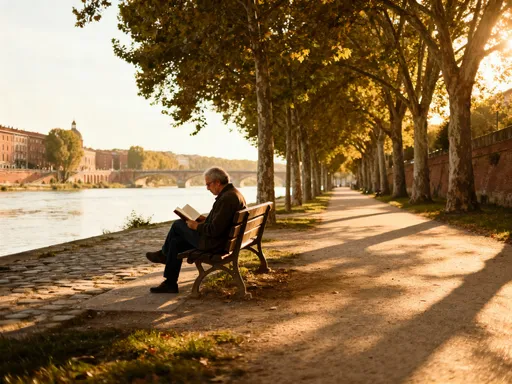
Slow travel in Rotorua means lingering. It means sitting on a bench by Lake Rotorua at sunset, watching steam rise from distant vents as the water turns gold. It means spending an hour in a thermal pool, feeling the warmth seep into tired muscles, not because you need to “treat” yourself, but because the moment invites stillness. It means listening more than speaking, watching more than photographing, being more than doing.
Many travelers arrive with a checklist: see the geyser, photograph the mud pools, visit the cultural show. But those who stay longer often discover something different. They begin to notice patterns—the way certain vents steam more in the morning, how birds behave differently near warm ground, how the light changes over the lake with each passing hour. They start to return to the same spots, not out of lack of options, but because familiarity deepens appreciation. A second visit to Wai-O-Tapu reveals details missed the first time: the delicate crusts of mineral deposits, the subtle shifts in water color, the quiet corners where steam curls upward like smoke from an unseen fire.
This kind of travel is not passive. It is deeply engaged, but in a different way. It asks you to use senses often dulled by routine. You smell the air after rain, when the sulfur mingles with wet earth. You feel the warmth radiating from rocks long after the sun has set. You hear the distant hiss of a vent you didn’t notice before. Slow travel in Rotorua is not about doing less—it’s about experiencing more, one moment at a time.
Beyond the Tourist Maps: Finding Hidden Rhythms
While Wai-O-Tapu and Te Puia draw crowds, Rotorua’s quieter corners offer a different kind of intimacy. Places like Kerosene Creek, a natural hot stream nestled in native bush, are cherished by locals and thoughtful travelers. There’s no entrance fee, no signage, no facilities—just a winding path through the trees leading to a warm, flowing pool where the water temperature is just right. Here, time feels suspended. Children splash gently, couples sit in quiet conversation, solo travelers close their eyes and let the warmth carry away tension. This is not a spectacle. It is sanctuary.
Other lesser-known thermal areas, like the secret pools along the Waikite Valley or the quiet reserves near Tikitere, offer similar experiences. These spots are not hidden because they are dangerous or off-limits—they are simply less marketed, less commercialized. They remain because some places resist the urge to become destinations. They stay as they are: quiet, accessible, and deeply peaceful.
One of the most profound lessons of Rotorua is the value of returning. To visit a place once is to see its surface. To visit it again, at a different time of day or season, is to begin to understand it. The geothermal landscape is never static. Water levels change. Steam patterns shift. Colors evolve. A pool that appears milky in the afternoon might shimmer with iridescent hues in the early morning light. By revisiting the same location, you practice a form of deep observation that is rare in modern travel.
This repetition is not boredom—it is connection. It mirrors the way locals relate to the land: not as something to be conquered or consumed, but as a presence to be known over time. When you return to Kerosene Creek in winter, you notice how the steam rises more thickly in the cold air. In summer, you feel how the surrounding bush provides shade and coolness, a contrast to the warm water. Each visit adds a layer, like rings in a tree. This is how slow travel becomes not just a way of moving through the world, but a way of seeing it more clearly.
Māori Culture and the Land That Speaks
To understand Rotorua is to understand the Māori relationship with the land. For centuries, the local iwi (tribes), particularly Ngāti Whakaue and Te Arawa, have lived in harmony with the geothermal environment. Their connection is not symbolic—it is practical, spiritual, and deeply woven into daily life. The land is not owned; it is cared for, respected, and spoken to. In te reo Māori, the language of the Māori people, the word “whenua” means both “land” and “placenta,” reflecting the belief that people are born from and return to the earth.
Visitors have the opportunity to engage with this worldview through authentic cultural experiences. At some marae (communal meeting grounds), guided walks are led by Māori hosts who share stories of the land, not as history lessons, but as living narratives. They speak of how ancestors used hot springs for cooking, healing, and gathering. They explain the significance of certain geothermal features, not just as natural wonders, but as ancestors or guardians in their own right.
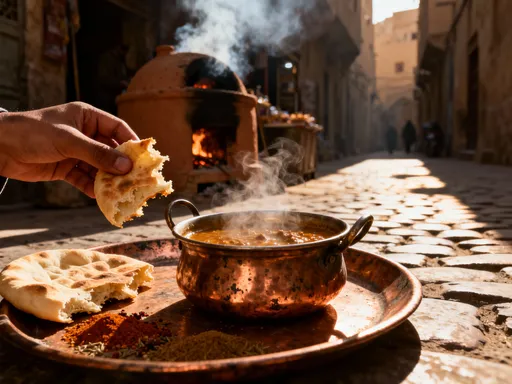
One of the most moving experiences is the hāngi, a traditional method of cooking food using heated rocks buried in an earth oven. The preparation is slow, deliberate, and communal. Food—chicken, pork, root vegetables—is wrapped in cloth and lowered into the pit, then covered with soil and left to steam for hours. When unearthed, the meal is rich, smoky, and deeply satisfying. Sharing a hāngi is not just about eating—it’s about participating in a ritual that connects people to the land and to each other.
Respecting this cultural context transforms the travel experience. It moves beyond observation into understanding. When you learn that certain thermal pools are tapu (sacred), not to be entered or even approached, you begin to see the landscape not as a collection of attractions, but as a living cultural landscape. This awareness fosters humility and care. It reminds you that travel is not just about what you gain, but what you honor.
Designing a Realistic Slow Travel Itinerary
A meaningful visit to Rotorua does not require weeks, but it does require intention. A well-paced 4–5 day itinerary allows time to absorb the rhythms of the place without rushing. The goal is not to see everything, but to experience a few things deeply.
Begin with arrival and rest. Choose accommodation that supports immersion: a family-run lodge on the edge of the lake, an eco-sanctuary with native birdlife, or a quiet cabin with views of the hills. Avoid staying in the busiest parts of town if possible. The first evening should be simple—perhaps a walk along the lakefront path, dinner at a local café serving fresh, regional ingredients, and an early night. Let your body adjust not just to the time zone, but to the pace.
Day two can include a visit to Wai-O-Tapu, but not at opening time. Arrive mid-morning, after the tour buses have passed through. Spend at least three hours walking the loop, pausing often. Bring a notebook or sketchpad—write down what you see, hear, smell. Afterward, soak in a natural hot pool, such as those at Waikite Valley or the more secluded Kerosene Creek. Let the warmth restore you.
Day three offers an opportunity for cultural connection. Participate in a guided Māori experience—perhaps a morning walk with a local elder, followed by a shared meal. In the afternoon, explore the Government Gardens or the Rotorua Museum (when open), not to check them off a list, but to appreciate their history and architecture. End the day with a quiet hour by the lake, watching the reflections of the trees on the water.
Day four can be unplanned. Let the morning unfold. Visit a farmers’ market, chat with locals, or return to a favorite spot. If energy allows, a short hike in the Redwoods (Whakarewarewa Forest) offers a different kind of immersion—among towering trees instead of steam vents. The forest is calm, shaded, and alive with birdcall. Walk slowly. Breathe deeply.
Practical tips enhance the experience. Rent a car to access remote thermal areas, but park and walk the last stretch. Avoid peak hours at popular sites. Use local transport when possible—buses connect key areas and reduce stress. Bring layers; the weather changes quickly. And most importantly, leave space in the schedule. The best moments in Rotorua are often the unplanned ones: a conversation with a stranger, a sudden rainbow over the lake, the quiet joy of watching steam curl into the sky.
The Science and Soul of Geothermal Healing
The therapeutic benefits of geothermal waters are widely recognized. Rich in minerals like silica, sulfur, and magnesium, these waters have been associated with improved skin health, muscle relaxation, and respiratory function. While not a substitute for medical treatment, soaking in natural hot springs can support overall well-being. The warmth increases blood circulation, eases joint stiffness, and promotes deep relaxation—a natural antidote to stress.
Commercial spas in Rotorua, such as Polynesian Spa, offer luxurious experiences with lake views and multiple mineral pools. These are accessible and well-maintained, making them ideal for first-time visitors or those seeking comfort. However, natural hot pools offer a different kind of healing—one rooted in authenticity and sensory depth. At Kerosene Creek or the lesser-known pools in the valley, there are no changing rooms, no attendants, no music. There is only the water, the air, the sound of the stream. This simplicity allows for a deeper connection—not just to the body, but to the moment.
That said, over-commercialization is a real concern. Some areas risk losing their essence in the push for tourism development. The challenge is to balance accessibility with preservation. Visitors can help by choosing low-impact experiences, respecting local guidelines, and supporting businesses that prioritize sustainability. When you choose a small eco-lodge over a large resort, or a local guide over a mass tour, you contribute to a model of travel that honors the land and its people.
The soul of geothermal healing lies not just in the water, but in the act of slowing down. In a world that glorifies busyness, taking time to soak, to rest, to be still is an act of quiet rebellion. Rotorua offers not just a place to do this, but a reason—its very earth invites you to surrender, to release, to renew.
Carrying the Rotorua Rhythm Forward
Leaving Rotorua doesn’t mean leaving its rhythm behind. The lessons learned here—patience, presence, attunement to natural cycles—can be carried into everyday life, no matter where you live. You don’t need geysers or hot springs to practice stillness. You need only to pause, to listen, to notice.
Begin by creating small rituals. Brew your morning tea slowly, watching the steam rise. Walk through a park without checking your phone. Sit by a window and observe the light change. These moments are not wasted time—they are reconnections. They are ways of bringing the Rotorua mindset into your world.
Teach your family to notice too. Show children how to listen for birdcall, how to feel the warmth of sun on stone, how to sit quietly by water. These are not just lessons in nature—they are lessons in being human. In a time when so much feels chaotic, grounding ourselves in simple, sensory experiences is a form of resilience.
Rotorua reminds us that the earth speaks, if we are willing to listen. It doesn’t shout. It murmurs, steams, pulses. It invites us not to conquer, but to coexist. And in that invitation, there is peace. So wherever you are, take a breath. Feel the ground beneath you. Listen closely. The rhythm is still there. You only need to slow down enough to hear it.